
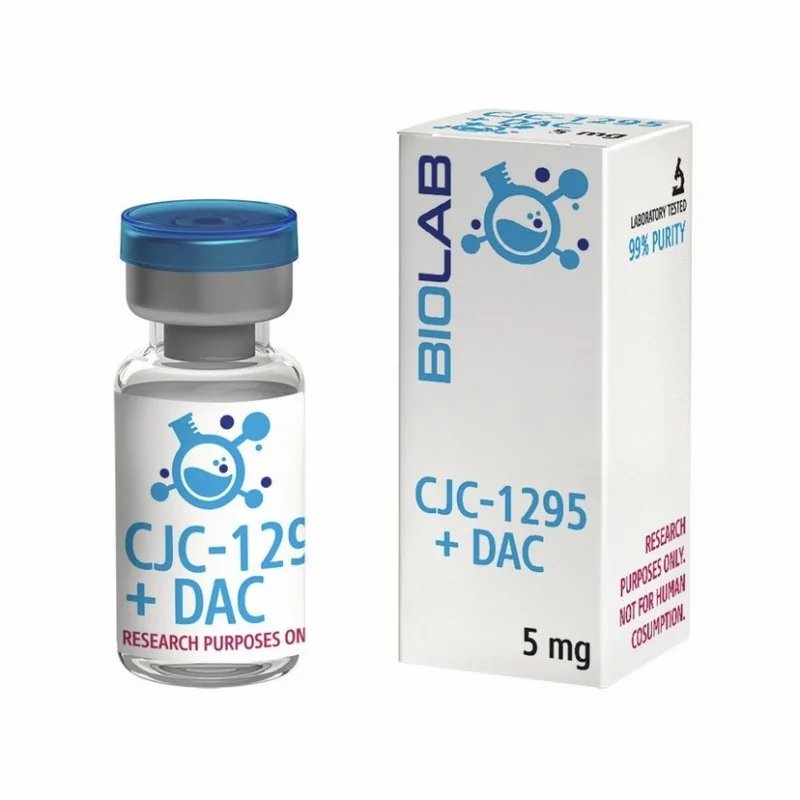
CJC-1295 + DAC 5 mg: UK Research Information and Product Overview
CJC-1295 with DAC is a synthetic peptide associated with research into growth-hormone-releasing hormone (GHRH), endocrine signalling and the growth hormone–IGF-1 axis. The addition of a drug-affinity complex, commonly abbreviated as DAC, distinguishes this form from shorter-acting peptide analogues and has been investigated for its pharmacokinetic characteristics. A 5 mg specification identifies the stated quantity of material and should not be interpreted as a recommended human dose or treatment schedule.
For UK audiences, accurate product information is particularly important. The Medicines and Healthcare products Regulatory Agency (MHRA) considers claims, intended purpose, pharmacological properties and presentation when determining whether a product falls within the medicinal-products framework. Website content and other promotional material can contribute to that assessment.
What Is CJC-1295 with DAC?
CJC-1295 is a synthetic analogue related to GHRH research. The DAC modification was developed to influence the peptide’s pharmacokinetic characteristics, allowing researchers to investigate a longer-lasting interaction with biological pathways than some non-DAC peptide formats.
Published research has examined CJC-1295 in humans and reported effects on circulating growth hormone and IGF-1 concentrations. These studies provide scientific background for understanding why the compound has attracted interest in endocrine research. However, experimental findings should not automatically be interpreted as evidence that every commercially available preparation is clinically suitable or authorised for therapeutic use.
Understanding the 5 mg Specification
The 5 mg designation refers to the stated quantity of peptide associated with the specified research material. It does not establish a clinical dosage, administration schedule or therapeutic recommendation.
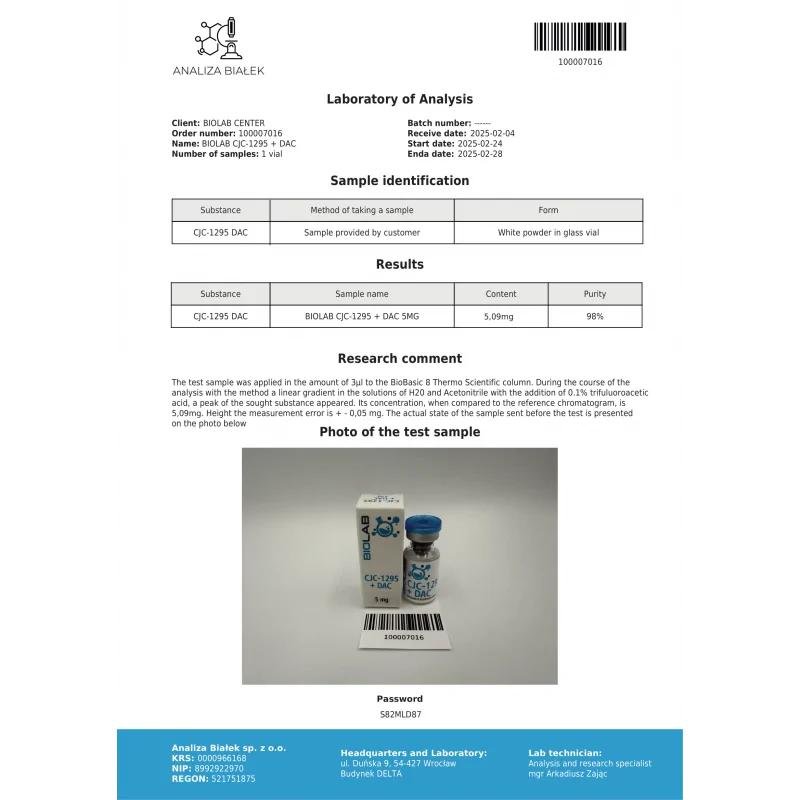
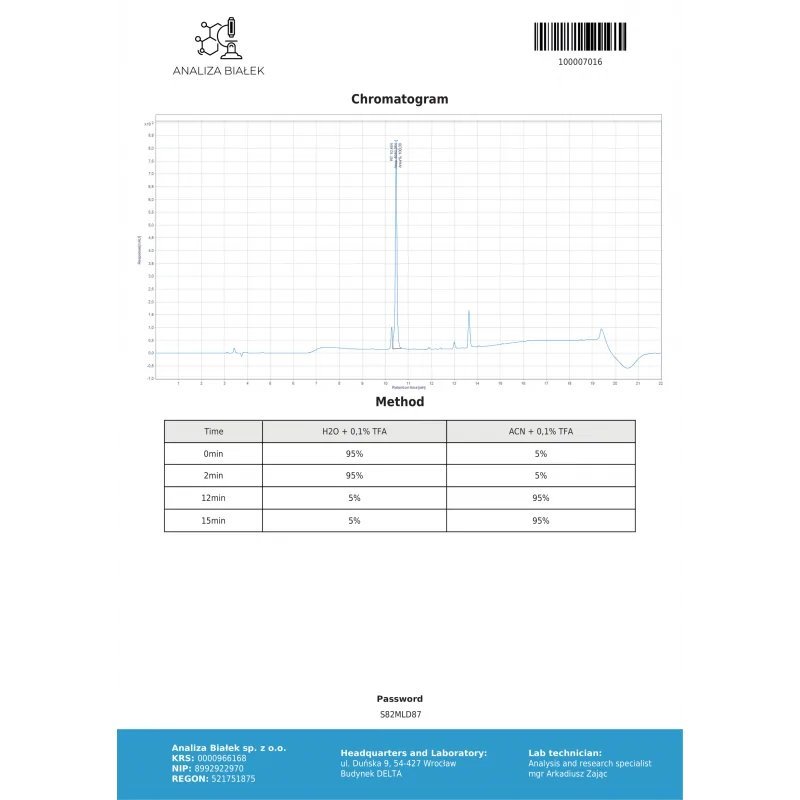
Researchers should review the complete technical documentation for the specific product or batch. Relevant information may include peptide identity, sequence, purity, formulation, batch identification, storage conditions and analytical testing.
The total quantity of peptide and the concentration of a prepared laboratory solution are different specifications. Researchers should therefore use the manufacturer’s documentation when interpreting the labelled amount.
Research into GHRH Signalling
GHRH is involved in the regulation of growth hormone secretion, making the pathway an important subject within endocrine research. Modified peptide analogues provide researchers with opportunities to investigate how structural changes can influence biological activity and pharmacokinetic behaviour.
One published clinical study investigated CJC-1295 and reported prolonged increases in circulating GH and IGF-1 after administration. The research provides evidence of biological activity in the study population but does not establish an appropriate use or dosage for individuals outside the research setting.
Research and Laboratory Context
Laboratory research involving peptide compounds may examine receptor interactions, signalling pathways, molecular structure and pharmacokinetics. Studies can be designed to compare different molecular formats or investigate how structural modifications affect biological characteristics.
Such work should be performed under appropriate laboratory protocols and institutional requirements. Researchers should maintain suitable records covering materials, batches, experimental conditions and analytical results to support reproducibility.
Research observations should remain distinct from medical claims. A compound being investigated scientifically does not mean that it has been approved to diagnose, prevent or treat a particular condition.
Product Quality and Documentation
Transparent documentation is an important consideration when evaluating specialist research materials. Depending on the supplier, useful records may include a certificate of analysis, analytical testing results, batch identification, stated purity, peptide sequence and storage guidance.
Quality documentation can help laboratories establish traceability and distinguish individual batches. It may also assist researchers in determining whether the material’s stated characteristics are appropriate for a particular experimental protocol.
A professionally written product page should therefore concentrate on verifiable technical information rather than promises concerning health outcomes.
UK Regulatory Considerations
UK businesses should consider applicable regulatory requirements before publishing information about peptide products. The MHRA states that medicines without the required UK licence cannot be advertised, while prescription-only medicines cannot be advertised to the general public. Its guidance specifically includes promotional information published on company websites.
The MHRA also explains that medicinal status can depend on a product’s claims, intended purpose, pharmacological properties and presentation. Consequently, businesses should review website wording carefully before publication. (gov.uk)
Where classification is uncertain, businesses can seek appropriate specialist regulatory advice or use the MHRA’s Medicines Borderline Advice process.
Responsible UK SEO Content
A responsible UK research page should provide factual, useful information about product identity, stated quantity, research status, formulation and available documentation.
For search optimisation, natural headings, descriptive paragraphs, FAQs and related terminology are preferable to repeatedly inserting an exact-match phrase. Relevant semantic topics include GHRH research, growth hormone signalling, IGF-1 pathways, peptide structure, pharmacokinetics, laboratory analysis and research materials.
This approach supports readability while providing search engines with meaningful topical context.
Frequently Asked Questions
What is CJC-1295 + DAC?
It is a synthetic peptide analogue associated with research into GHRH signalling and growth hormone–IGF-1 pathways.
What does 5 mg mean?
Five milligrams describes the stated quantity of peptide in the specified research material. It is not a recommended human dosage.
What does DAC mean?
DAC refers to a drug-affinity complex associated with the modified peptide structure and its pharmacokinetic characteristics.
Is it an approved UK medicine?
Research peptide material should not automatically be regarded as a licensed medicine. Regulatory status depends on composition, intended purpose, claims and presentation.
What should researchers check?
Researchers should review identity, purity, batch information, formulation, storage requirements and available analytical testing before laboratory use.
Conclusion
CJC-1295 + DAC 5 mg can be described in a UK research context as a synthetic peptide format associated with investigations into GHRH signalling, pharmacokinetics and the growth hormone–IGF-1 axis. Published research provides scientific background, while batch-specific documentation remains important when evaluating individual research materials.
For UK websites, regulatory awareness should remain a priority. The MHRA considers claims and product presentation when assessing medicinal status and regulates advertising for medicinal products.
A factual, well-organised page can provide useful information without making unsupported therapeutic promises. Clear specifications, transparent documentation and naturally integrated related keywords provide a stronger foundation for sustainable UK SEO than excessive repetition of an exact-match search term.
SEO target: the exact phrase “Buy CJC-1295 + DAC 5 mg” is limited to 5 or fewer occurrences, with related terms used naturally to strengthen topical relevance.


