CJC-1295 5 mg: UK Research Information and Product Overview
CJC-1295 is a synthetic peptide related to growth-hormone-releasing hormone (GHRH) research. It has been investigated in scientific studies examining endocrine signalling, pharmacokinetics and interactions within the growth hormone and insulin-like growth factor-1 (IGF-1) axis. A 5 mg specification refers to the stated quantity of material and should not be interpreted as a recommended human dose, treatment schedule or established indication.
For UK audiences, accurate and responsible product information is especially important. The Medicines and Healthcare products Regulatory Agency (MHRA) considers claims, intended purpose, pharmacological properties and product presentation when assessing whether a product falls within the medicinal-products framework. Information published on websites can contribute to that assessment.
What Is CJC-1295?
CJC-1295 is a synthetic analogue associated with GHRH research. Scientific investigations have examined its relationship with growth hormone and IGF-1 secretion. Published human research has reported changes in circulating GH and IGF-1 following administration, demonstrating why the compound has been studied as part of endocrine and peptide research. (PubMed)
Research findings should, however, be interpreted within the context of the specific study. Experimental evidence does not automatically establish that a particular product, formulation or quantity is suitable for routine human use. It also does not establish an approved therapeutic indication.
Understanding the 5 mg Specification
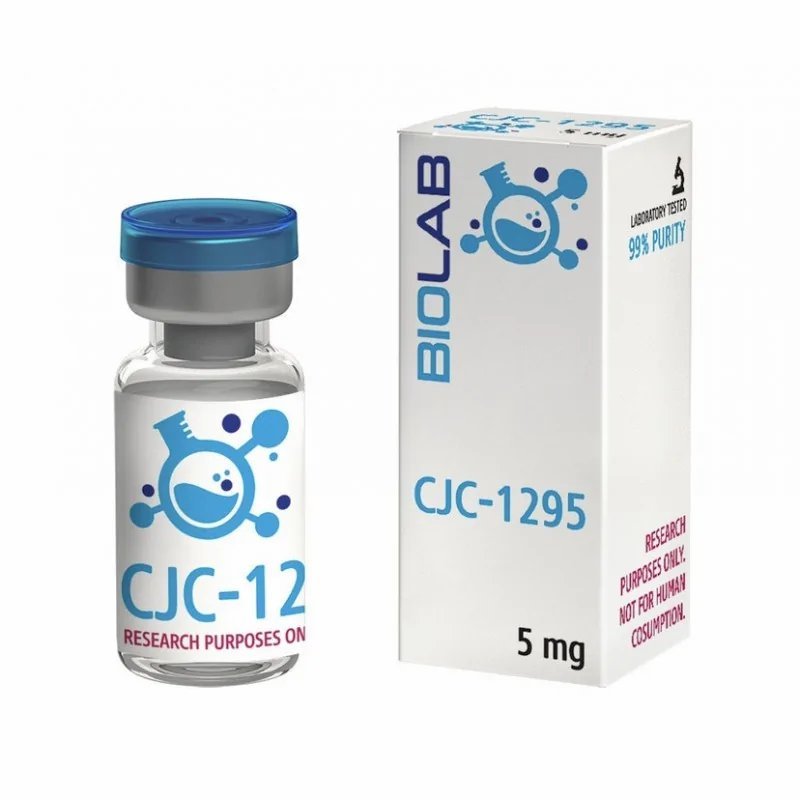
The 5 mg designation describes the stated quantity of peptide associated with the specified research material. It does not represent a recommended clinical dosage or administration schedule.
Researchers should review the complete technical information for the particular material before using it in laboratory work. Relevant details may include peptide identity, sequence, stated purity, batch identification, formulation, storage requirements and analytical documentation.
Researchers should also distinguish between the total labelled quantity and the concentration of a prepared solution. These are separate specifications and should not be treated as interchangeable.
Research Context
CJC-1295 has been investigated in studies examining the regulation of growth hormone and IGF-1. One published human study assessed pharmacokinetic and pharmacodynamic characteristics and reported sustained changes in GH and IGF-1 following administration.
A separate study examined growth hormone pulsatility following exposure to the compound, providing additional scientific context for research into GHRH-related signalling.These findings are useful for understanding why CJC-1295 has attracted scientific interest, but they should not be converted into unsupported claims about individual health outcomes.
Product Quality and Documentation
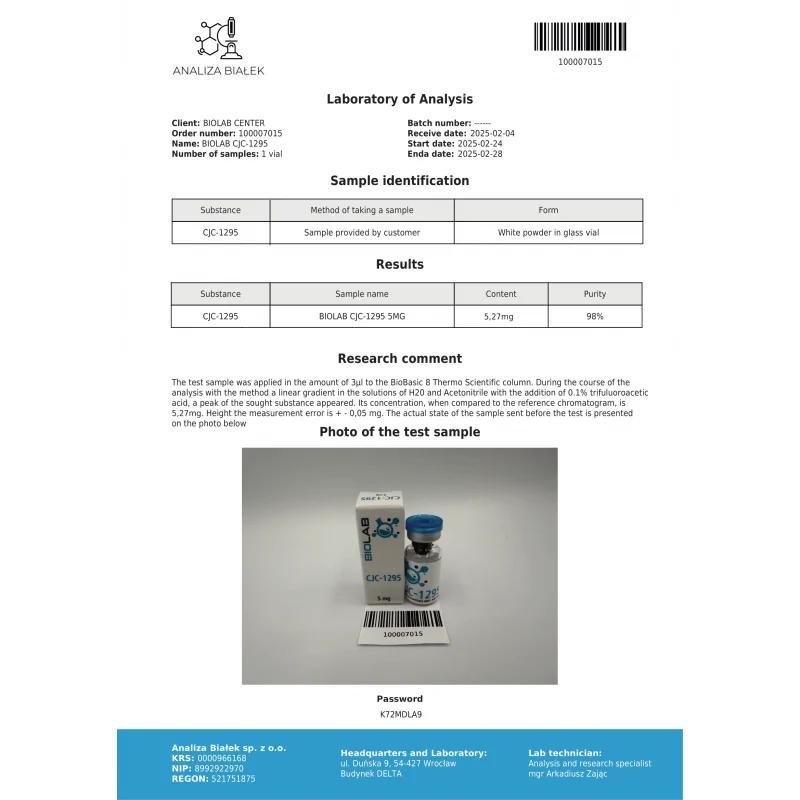
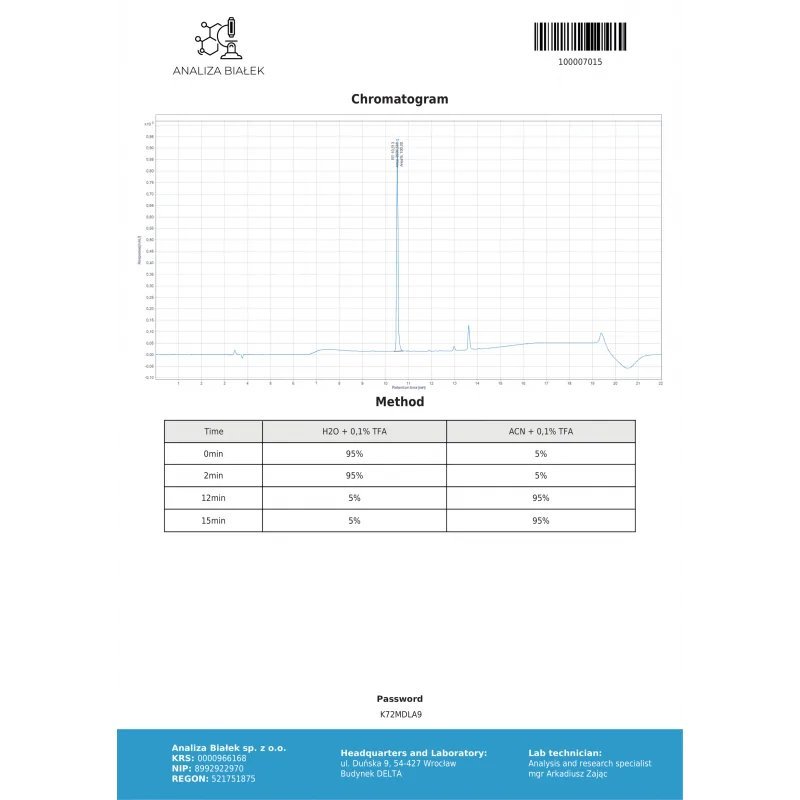
Transparent documentation is an important consideration when evaluating specialist research materials. Depending on the supplier, useful records may include a certificate of analysis, analytical testing results, batch identification, stated purity and storage guidance.
Clear documentation helps laboratories maintain traceability and distinguish individual batches. It can also help researchers assess whether the stated characteristics of a material are appropriate for a particular experimental protocol.
A professionally structured research page should therefore focus on factual specifications and technical information rather than making guarantees about physiological or therapeutic effects.
UK Regulatory Considerations
UK businesses should review applicable regulatory requirements before publishing content about peptide products. The MHRA states that medicines that are not licensed cannot be advertised, and its advertising guidance specifically includes promotional information published on company websites.
The agency also explains that medicinal claims can be direct or implied. Its Guidance Note 8 states that information placed in the public domain, including website content, can be relevant when assessing whether a product is presented for a medicinal purpose.
Recent MHRA enforcement activity demonstrates that online medicine advertising remains an active regulatory area. Its July 2026 investigation publication includes several cases involving websites and promotional activities concerning medicinal products.
Businesses uncertain about a product’s classification should obtain appropriate regulatory advice before publishing consumer-facing promotional material.
Responsible UK Product Content
A responsible UK research page should provide clear, factual and verifiable information. Useful details can include product identity, stated quantity, research status, available testing information, formulation and storage requirements.
For SEO, natural headings, informative FAQs and related terminology provide stronger topical context than excessive repetition of an exact-match phrase. Relevant concepts include GHRH research, peptide signalling, endocrine research, GH-IGF-1 pathways, laboratory analysis and research materials.
This approach can improve readability while giving search engines meaningful context about the subject.
Frequently Asked Questions
What is CJC-1295?
CJC-1295 is a synthetic peptide associated with research into GHRH signalling and the growth hormone–IGF-1 axis.
What does 5 mg mean?
Five milligrams refers to the stated quantity of peptide in the specified material. It is not a recommended human dosage.
Is it an approved UK medicine?
Research peptide material should not automatically be regarded as a licensed medicine. Regulatory status depends on factors including composition, intended purpose, claims and presentation.
What should researchers check?
Researchers should review identity, purity information, batch documentation, formulation, storage requirements and available analytical testing before using specialist research material.
Conclusion
CJC-1295 5 mg can be described in a UK research context as a synthetic peptide format relevant to investigations into GHRH signalling, endocrine pathways and the GH-IGF-1 axis. Published studies provide scientific background for understanding the compound, while product-specific documentation remains essential when evaluating individual research materials.
For UK websites, regulatory awareness should remain a priority. The MHRA considers website information and promotional claims when assessing medicinal presentation, and current guidance confirms that unlicensed medicines cannot be advertised.
A factual, well-structured page can provide useful technical information while avoiding unsupported therapeutic promises. Clear specifications, transparent documentation and naturally written related terminology also provide a stronger foundation for sustainable UK SEO than excessive keyword repetition.
SEO target: the exact phrase “Buy CJC-1295 5 mg” is kept to no more than 5 occurrences, with related semantic terms used naturally rather than keyword stuffing.