GHRP-6 10 mg: Research Information and Product Overview
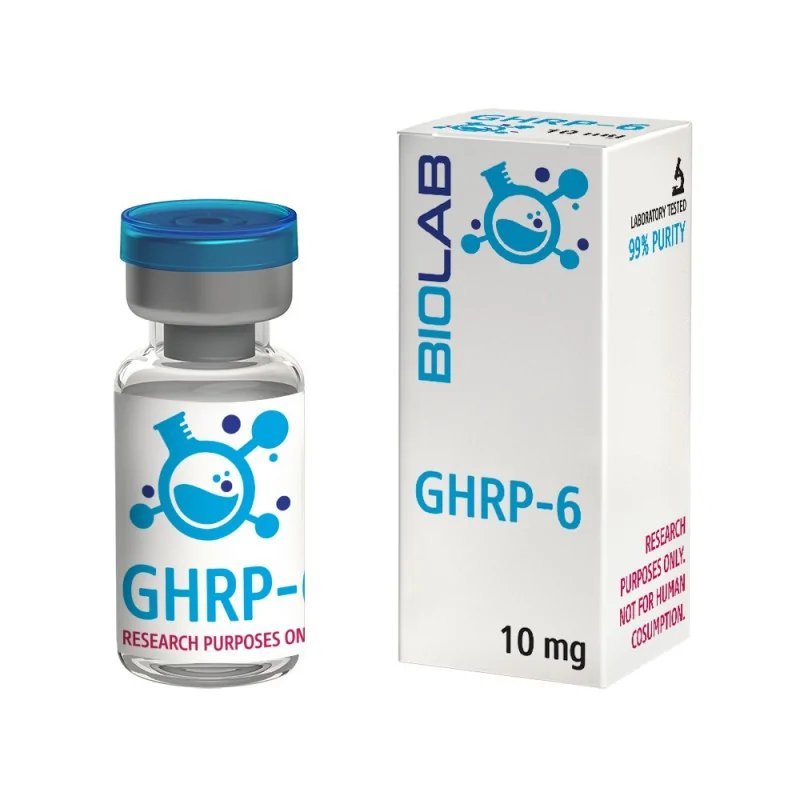
GHRP-6 is a synthetic peptide that has been investigated in laboratory research involving peptide signalling, receptor activity and growth-hormone-related pathways. Researchers studying peptide biology may examine its molecular characteristics and interactions under controlled experimental conditions. A 10 mg specification identifies the stated quantity of material and should not be interpreted as a recommended human dose, treatment schedule or evidence of an approved therapeutic use.
For UK audiences, accurate product information is especially important. The Medicines and Healthcare products Regulatory Agency (MHRA) considers factors including claims, intended purpose, pharmacological properties and product presentation when assessing whether a substance or product falls within the medicinal-products framework. Online information can also be relevant to that assessment.
What Is GHRP-6?
GHRP-6, commonly described as a growth-hormone-releasing peptide, is a synthetic peptide that has been used in experimental research concerning peptide signalling and endocrine pathways. Its molecular characteristics have made it a subject of interest for researchers examining interactions between peptides and biological receptors.
Scientific research should be interpreted within the limitations of the relevant experimental model. Findings from laboratory studies do not automatically demonstrate clinical effectiveness, establish a therapeutic indication or determine an appropriate dose for human use.
Understanding the 10 mg Specification
The 10 mg designation refers to the stated amount of peptide contained in the specified research material. It does not establish a clinical dosage or recommended administration schedule.
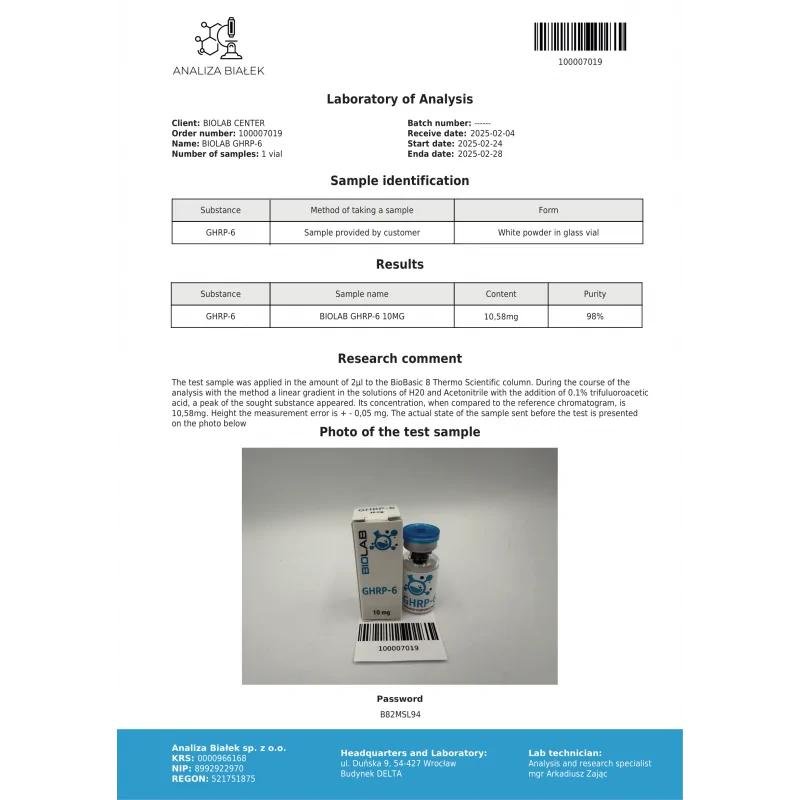
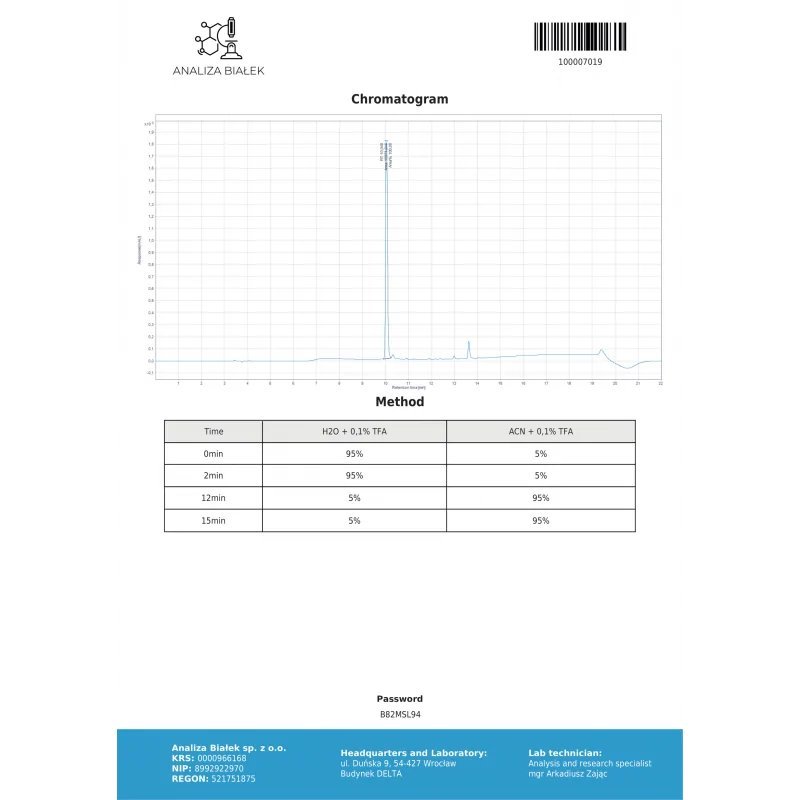
Researchers should review the complete technical specification supplied for the particular material. Useful information can include peptide identity, sequence, stated purity, batch number, formulation, storage requirements and available analytical documentation.
Different preparations can have different characteristics, so researchers should rely on batch-specific documentation rather than assuming that products with similar names or quantities have identical properties.
Research Applications
Experimental peptide research can help scientists investigate molecular signalling, receptor interactions and biological pathways. GHRP-6 may be examined as part of broader laboratory research into growth-hormone-related mechanisms and peptide activity.
Such research should be performed using suitable laboratory procedures, appropriate controls and institutional safety requirements. Experimental materials should also be handled according to applicable protocols.
Importantly, research terminology should remain separate from medical marketing. A peptide being studied experimentally does not mean that it has been clinically validated or authorised for treating a particular condition.
Product Quality and Documentation
Transparent documentation is an important consideration when evaluating specialist research materials. Depending on the supplier, relevant information may include a certificate of analysis, analytical testing results, batch identification, purity information and storage instructions.
Clear documentation supports traceability and allows researchers to distinguish between individual batches. It can also help laboratories evaluate whether a material meets the specifications required for a particular experimental application.
A well-organised product page should therefore provide factual technical information and clearly explain the research context without making unsupported health claims.
UK Regulatory Considerations
UK businesses should review regulatory requirements before publishing information about peptide products. The MHRA explains that medicine advertising rules apply to promotional information published on company websites, as well as other forms of advertising.
The agency states that medicines without the required UK licence cannot be advertised, while prescription-only medicines cannot be advertised to the general public.
Recent MHRA enforcement activity also demonstrates that online medicinal advertising remains an active area of regulatory attention. The agency published advertising-investigation decisions during 2026 concerning websites and promotional material.
Businesses uncertain about the regulatory classification of a product should obtain appropriate specialist regulatory advice before publishing consumer-facing claims.
Responsible UK Product Content
A responsible UK research page should prioritise factual specifications, transparent documentation and appropriate terminology. Useful details can include the stated quantity, product identity, research status, storage information and available quality documentation.
Avoiding unsupported therapeutic statements is particularly important. The MHRA guidance notes that website information and product presentation can contribute to the determination of whether something is being promoted as a medicine.
For SEO, naturally structured headings, relevant terminology, informative FAQs and useful original information provide a stronger foundation than excessive repetition of an exact-match keyword. Related concepts such as peptide research, laboratory analysis, molecular signalling and research materials can provide contextual relevance.
Frequently Asked Questions
What is GHRP-6?
GHRP-6 is a synthetic peptide investigated experimentally in areas involving peptide signalling and growth-hormone-related biological pathways.
What does 10 mg mean?
Ten milligrams describes the stated quantity of peptide in the specified research material. It is not a recommended human dosage.
Is this an approved UK medicine?
A research peptide should not automatically be regarded as a licensed medicine. Regulatory status depends on factors including composition, intended purpose, claims and presentation.
What should researchers check?
Researchers should review identity, purity information, batch documentation, formulation details, storage requirements and available analytical testing before using specialist research material.
Conclusion
GHRP-6 10 mg can be described in a UK research context as a synthetic peptide format relevant to investigations into peptide signalling, receptor interactions and growth-hormone-related pathways. Clear technical documentation and responsible terminology are important when presenting this type of material online.
For UK websites, regulatory considerations should be reviewed before publishing promotional claims. The MHRA considers online information when assessing medicinal presentation and actively monitors medicine advertising.
A factual, well-structured page can provide useful information to researchers while avoiding unsupported therapeutic promises. Maintaining accurate specifications, transparent documentation and appropriate research terminology also creates a clearer experience for visitors and provides stronger foundations for sustainable, quality-focused SEO.