
DSIP Spray 5 mg: Research Information and Product Overview
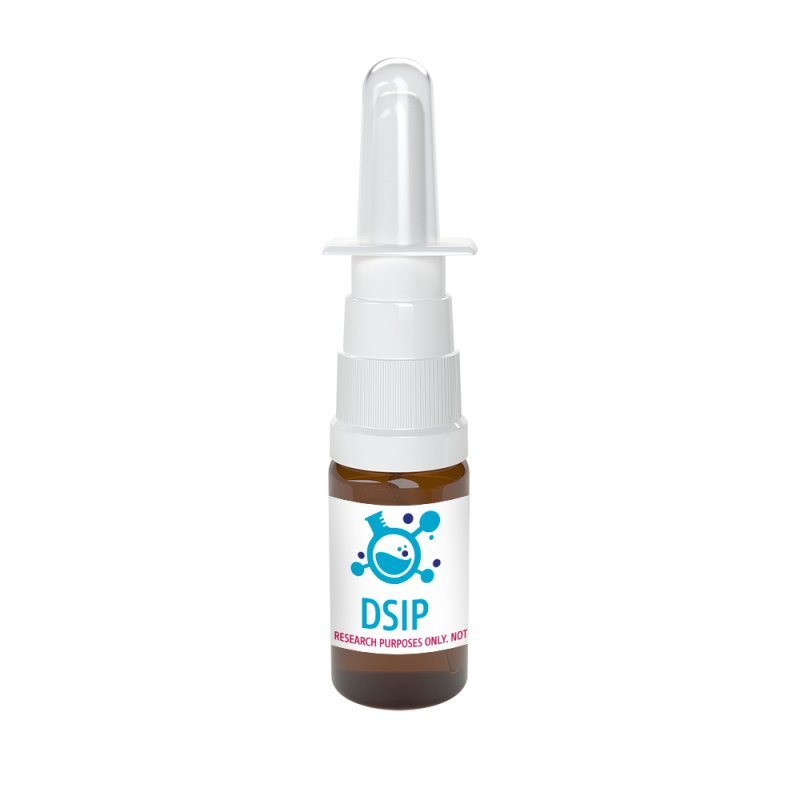
DSIP, short for delta sleep-inducing peptide, is a peptide that has attracted interest in laboratory research because of its reported interactions with biological pathways associated with sleep, neuroendocrine signalling and stress-related processes. A 5 mg spray format may be encountered in research-oriented product catalogues, but the format and labelled quantity should always be clearly distinguished from an authorised medicinal product.
For UK audiences, accurate product information is particularly important. The Medicines and Healthcare products Regulatory Agency (MHRA) assesses whether products fall within the definition of a medicinal product according to factors including their claims, intended purpose, composition, pharmacological properties and how they are presented to the public. (GOV.UK)
What Is DSIP?
Delta sleep-inducing peptide is a short peptide that has been investigated in experimental research relating to sleep and neurological function. Researchers have explored its biological characteristics in different experimental settings, although research findings should not automatically be interpreted as evidence of an established treatment or approved therapeutic application.
When researching DSIP, it is useful to distinguish between laboratory findings and clinically validated outcomes. A research compound may have scientific interest without having an established indication, approved dosage or demonstrated safety profile for routine human use.
Understanding the 5 mg Format
The 5 mg designation describes the labelled quantity of peptide in the product. With spray preparations, the total quantity does not necessarily indicate how much material is delivered with every spray. Product documentation should therefore specify relevant information such as concentration, container volume, approximate number of actuations and storage requirements where applicable.
Researchers should review the manufacturer’s documentation carefully and avoid assuming that products from different suppliers have identical concentrations or delivery characteristics.
Why Product Documentation Matters
High-quality research materials should be accompanied by appropriate documentation. Depending on the intended laboratory application, useful information can include identity testing, purity information, batch identification, manufacturing details and storage instructions.
Clear labelling can also help prevent confusion between research materials and authorised medicines. This distinction is especially important when product descriptions appear online, because wording used in advertising, websites and packaging can contribute to how a product is classified under UK regulations.
DSIP Spray for Laboratory Research
Researchers investigating peptide biology may examine DSIP in controlled laboratory environments to understand its molecular characteristics and potential biological interactions. Research applications should be designed around appropriate protocols, institutional requirements and relevant safety procedures.
A research product should not be presented as a substitute for a licensed medicine. Similarly, laboratory observations should not be converted into claims that a peptide can diagnose, prevent or treat a medical condition unless those claims are supported and legally authorised.
UK Regulatory Considerations
UK businesses handling products with potential medicinal applications should establish the regulatory status before marketing them. The MHRA provides a Medicines Borderline Advice service for businesses that are uncertain whether a product is a medicinal product. The agency explains that its assessment can consider claims, intended use, pharmacological properties and promotional materials.
Where a substance is intended for investigation as a medicinal product in human participants, separate clinical-trial requirements can also apply. Current UK clinical-trial guidance states that the amended Clinical Trials Regulations took full effect on 28 April 2026.
Choosing Research Materials Responsibly
Researchers should prioritise traceability, transparent specifications and appropriate quality documentation. Before acquiring any research peptide, consider whether the supplier provides sufficient information to identify the material and its intended research status.
A responsible product page should avoid unsupported health promises and clearly communicate that research materials are not automatically equivalent to licensed medicines. This approach improves transparency while helping visitors understand what they are actually evaluating.
Frequently Asked Questions
What does DSIP stand for?
DSIP stands for delta sleep-inducing peptide. It has been investigated experimentally in areas involving sleep-related and neurobiological research.
What does 5 mg mean?
Five milligrams refers to the stated quantity of peptide in the product. For a spray, the amount per actuation depends on the formulation and container specifications.
Is DSIP an authorised UK medicine?
The regulatory status of an individual product depends on its composition, presentation, intended purpose and claims. UK sellers should establish the applicable regulatory position rather than assuming that a research product is an authorised medicine.
Where can researchers find regulatory guidance?
The MHRA provides guidance concerning medicinal products and borderline products, including a process for requesting advice about a product’s regulatory status.
Final Considerations
DSIP remains a subject of scientific interest, and clearly written product information can help researchers distinguish experimental materials from authorised medicines. A transparent UK-facing page should focus on verifiable specifications, responsible research language and appropriate regulatory considerations rather than unsupported therapeutic promises.
For businesses operating in the UK, regulatory review should take place before publishing claims or promotional material. The MHRA specifically notes that websites, advertising, packaging and other promotional content can be considered when determining the status of a product.