
Buy N-acetyl Selank 10 mg – UK Research Peptide
N-acetyl Selank is a chemically modified analogue of Selank, a synthetic peptide that has been investigated in biochemical, molecular and neurobiological research. Selank is structurally related to the naturally occurring peptide tuftsin, while the N-acetyl derivative contains an additional acetyl modification. This structural distinction is important because research findings relating to conventional Selank should not automatically be applied to the modified compound.
For laboratories searching to Buy N-acetyl selank 10 mg, careful attention should be given to product identity, stated quantity, batch information, analytical documentation and research-use specifications. Clear product information allows researchers to evaluate experimental materials based on documented characteristics rather than unsupported promotional claims.
What Is N-acetyl Selank?
N-acetyl Selank is an acetylated derivative of the synthetic heptapeptide Selank. Peptide modification is commonly investigated to understand how changes in molecular structure may influence physical, chemical or biological characteristics.
Standard Selank has been studied in several experimental settings, including investigations of biochemical pathways, enzyme activity and neurochemical processes. However, the available evidence for N-acetyl Selank is much more limited. Researchers should therefore treat the modified peptide as a distinct research material rather than assuming that it has identical properties to the parent compound.
This distinction is particularly important when reviewing scientific publications or commercial product descriptions. Structural similarity alone does not establish equivalent stability, pharmacokinetics, biological activity or safety.
10 mg Research Material
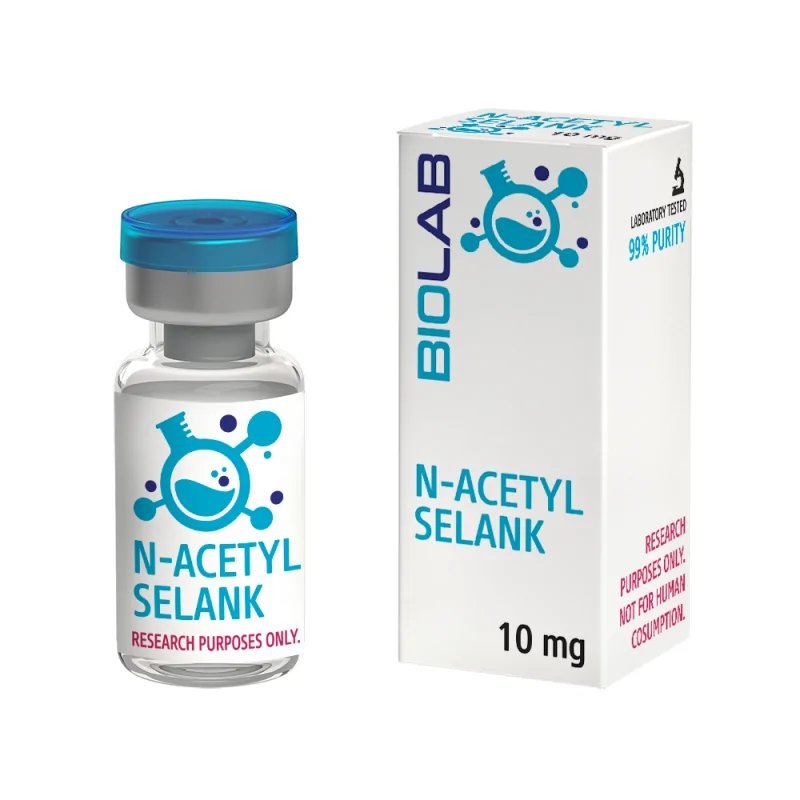
A 10 mg presentation provides a clearly specified quantity of peptide material for laboratory research and analytical work. Researchers evaluating Buy N-acetyl selank 10 mg should verify the stated quantity and compound identity against available supplier documentation.
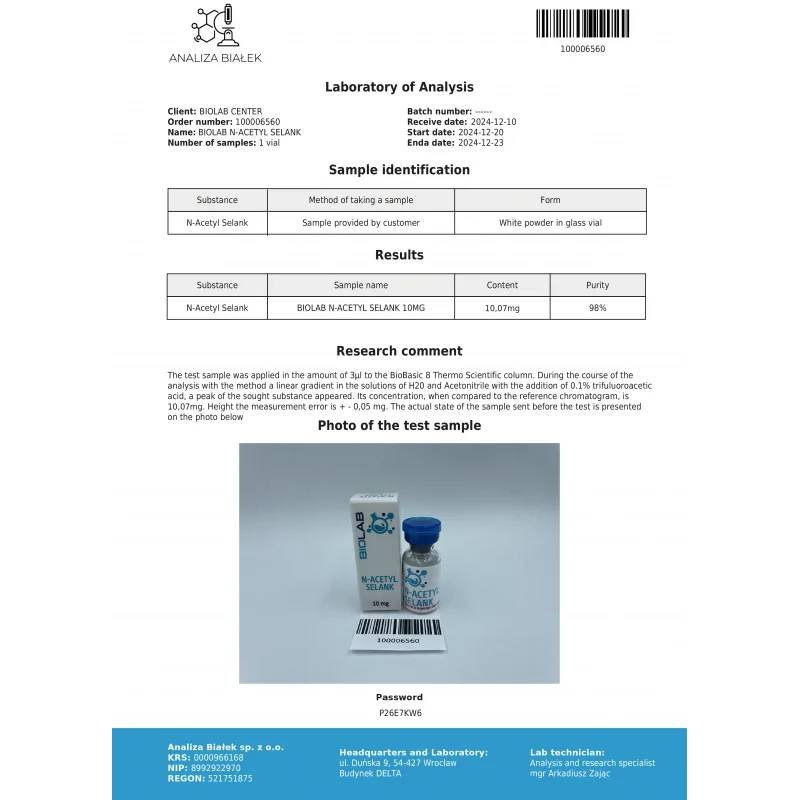
Useful product information can include batch references, purity data, certificates of analysis, storage recommendations and packaging details. These specifications can help laboratories maintain accurate records and determine whether a particular batch meets their research requirements.
The stated 10 mg quantity is a product specification and should not be interpreted as a recommended human dose. Similarly, the availability of a peptide in a particular format does not establish an approved medical application or administration method.
Scientific Research Background
Selank has attracted scientific interest because of its relationship to tuftsin and its investigation in biochemical and neurological research. Studies involving the parent peptide have explored possible interactions with enzymes involved in peptide metabolism and other molecular pathways.
For example, published research has examined the effect of Selank on enzymes associated with enkephalin metabolism under laboratory conditions. Such findings provide scientific background concerning Selank itself but do not establish that N-acetyl Selank produces the same effects.
Researchers working with modified peptides should therefore evaluate evidence according to the exact molecular structure being investigated. Experimental observations involving one compound should not be presented as definitive evidence for another without appropriate supporting research.
Analytical Documentation
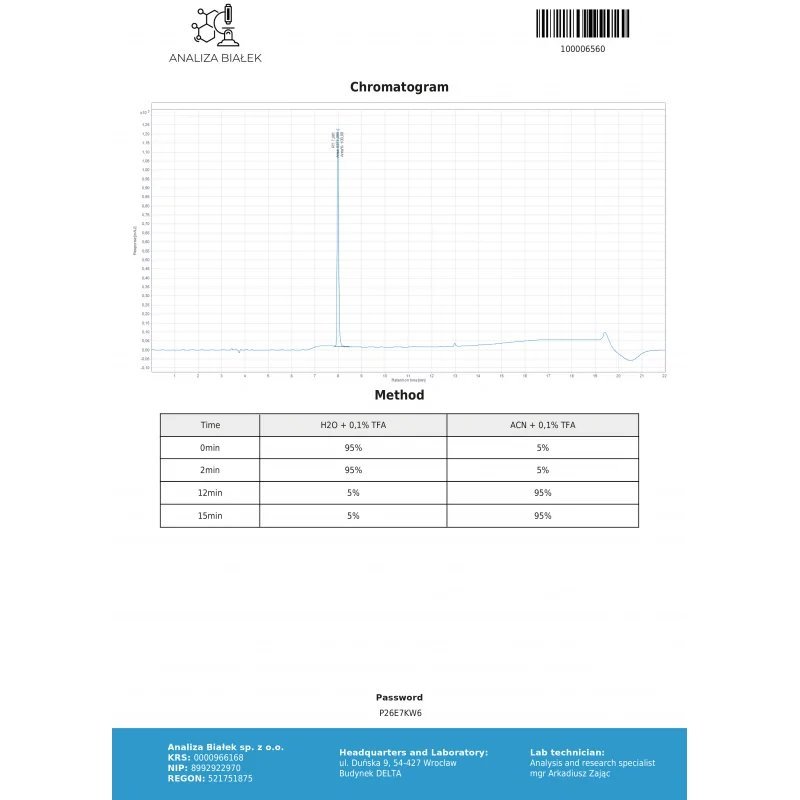
Quality documentation is an important consideration when sourcing experimental peptide materials. Researchers may review available certificates of analysis, purity measurements, identity testing and batch information before selecting a supplier.
Batch-specific documentation can support traceability and reproducibility. When laboratories repeat experiments or compare materials from different batches, consistent identification and documentation can make research records easier to maintain.
Transparent product descriptions should also clearly distinguish N-acetyl Selank from conventional Selank. Related peptide names can sometimes create confusion, particularly when scientific evidence for each compound differs.
Researchers should be cautious about unsupported statements involving enhanced stability, improved absorption, increased potency or specific biological outcomes. Such characteristics require appropriate experimental evidence rather than assumptions based solely on chemical modification.
UK Research Considerations
UK-facing peptide content should take the country’s regulatory framework into account. The Medicines and Healthcare products Regulatory Agency (MHRA) explains that a product’s classification can depend on factors including its presentation, intended purpose, pharmacological properties and the claims made about it.
Website content can therefore be relevant when determining whether a product may fall within medicinal-product regulation. Research-focused pages should avoid presenting experimental materials as authorised medicines or making unsupported claims about diagnosing, treating, curing or preventing diseases.
Where a business is uncertain about the regulatory classification of a product, appropriate professional advice should be obtained. The MHRA provides a Borderline Advice service for products where classification may require further assessment.
Responsible Product Positioning
When looking to Buy N-acetyl selank 10 mg, researchers should prioritise transparent product specifications and appropriate research-use information. A credible product page can explain the compound’s identity, quantity, format, available documentation and storage requirements without making exaggerated health claims.
Research material should also be clearly distinguished from pharmaceutical products. Experimental availability does not demonstrate regulatory approval, clinical effectiveness or suitability for personal use.
Responsible product positioning is particularly important for UK audiences because consumers and researchers should be able to understand exactly what type of material is being described.
Selecting a Research Supplier
When comparing suppliers, laboratories can consider product transparency, batch traceability, analytical documentation and consistency of information. A supplier that provides clear specifications makes it easier for researchers to evaluate materials before incorporating them into an experimental workflow.
The exact compound name should remain consistent throughout the product page, packaging and supporting documentation. This helps reduce confusion between N-acetyl Selank and standard Selank.
Researchers may also consider whether the supplier provides accessible quality information and clearly identifies the intended research context.
Research-Only Perspective
N-acetyl Selank should be described as an experimental modified peptide rather than an established therapeutic product. Although conventional Selank has been investigated in scientific literature, direct evidence concerning the N-acetyl derivative remains comparatively limited.
For organisations searching to Buy N-acetyl selank 10 mg, product selection should be based on documented specifications, compound identity, quality information and legitimate laboratory requirements.
A strong UK SEO page does not need excessive keyword repetition. Related terminology such as N-acetyl Selank peptide, Selank analogue, modified peptide, 10 mg research material, peptide analysis, laboratory research, and UK research peptide can provide topical relevance while keeping the writing natural and informative.
Final Considerations
For researchers considering Buy N-acetyl selank 10 mg, accurate product identification and reliable documentation should remain priorities. The distinction between standard Selank and its N-acetyl derivative is particularly important when interpreting available scientific literature.
A credible UK product page should focus on factual information, transparent specifications and responsible research positioning. Avoiding unsupported therapeutic claims helps create clearer expectations for researchers and reduces confusion between experimental materials and authorised medicines.
Laboratories should independently assess scientific evidence, follow appropriate institutional procedures and comply with applicable UK requirements when working with experimental peptide materials. Where regulatory status is uncertain, specialist regulatory advice should be obtained before marketing or supplying the product.


