
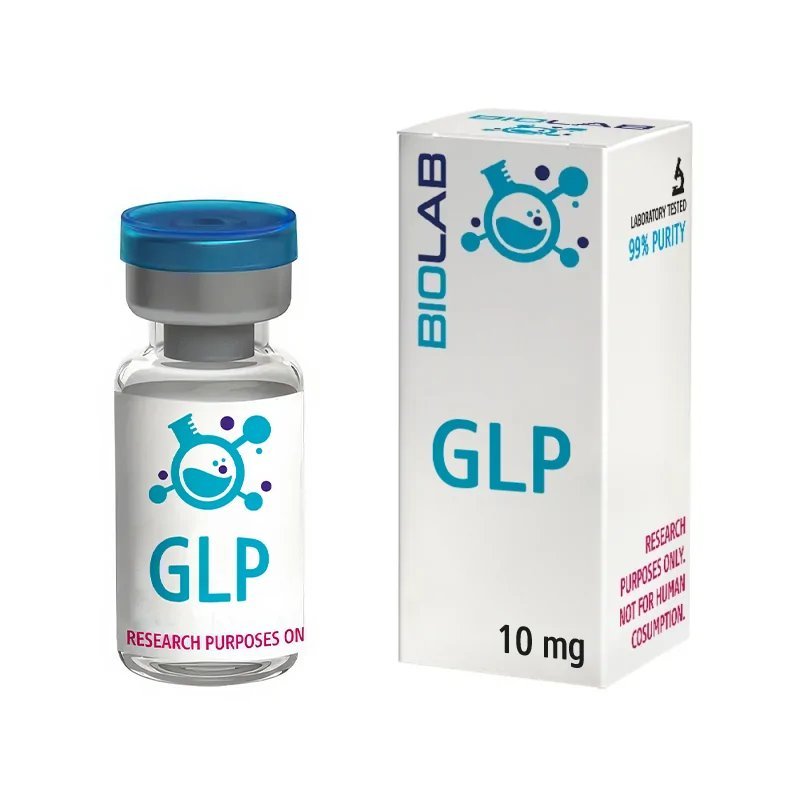
GLP-1 10mg: What UK Patients Should Know
GLP-1 medicines have become an important part of modern care for type 2 diabetes and, for eligible patients, weight management. However, “GLP 10mg” is not a sufficiently specific medicine name. Different medicines in the GLP-1 or related incretin class have different active ingredients, strengths, approved uses, dosing schedules, and safety considerations. Before considering any product described this way, it is important to identify the exact medicine and confirm that it is authorised for the intended use in the United Kingdom.
What are GLP-1 medicines?
GLP-1 receptor agonists mimic the action of glucagon-like peptide-1, a hormone involved in appetite, digestion and blood-glucose regulation. Depending on the medicine, treatment can help the body release insulin when needed, reduce inappropriate glucose production, slow digestion and increase feelings of fullness. NHS information lists medicines such as semaglutide and liraglutide among GLP-1 agonists, while tirzepatide acts on both GLP-1 and GIP receptors.
These medicines are not interchangeable simply because they belong to the same broader treatment category. The active ingredient, formulation and strength should always be checked against the prescription and official product information.
Understanding a 10mg strength
A statement such as “10mg” describes an amount of active substance, but it does not by itself establish an appropriate dose. A 10mg presentation may refer to a particular formulation or concentration, and the significance of that number depends entirely on the named active ingredient and dosage form. Patients should therefore avoid choosing or adjusting treatment based solely on a strength displayed on a website.
For legitimate UK treatment, a prescriber determines whether a medicine is appropriate and selects the correct regimen. Never increase, decrease or repeat a dose without professional advice.
UK prescription requirements
GLP-1 medicines are prescription-only medicines in the UK. The Medicines and Healthcare products Regulatory Agency advises that they should be obtained through a legitimate pharmacy following an appropriate consultation with a healthcare professional. The regulator has also warned against products sold through unregulated websites, social media and other channels, particularly where products may be counterfeit, contaminated, incorrectly dosed or unauthorised.
For an online pharmacy operating in Great Britain, consumers can check registration through the General Pharmaceutical Council. This is an important step when evaluating an online medicine service.
Potential uses
Depending on the specific active ingredient and its licence, incretin-based medicines may be used for type 2 diabetes, obesity or weight management. NHS guidance explains that medicines used for weight management are generally combined with dietary changes and physical activity. Eligibility can depend on factors such as body mass index, existing health conditions and the particular medicine being considered.
It is therefore better to evaluate a named, authorised medicine rather than treat “GLP 10mg” as a single standard product.
Safety and responsible use
Like all medicines, GLP-1 treatments can cause adverse effects and are not suitable for everyone. Gastrointestinal symptoms such as nausea, vomiting, diarrhoea or constipation can occur. The MHRA has also updated safety information concerning the small risk of acute pancreatitis with GLP-1 and related medicines. Severe, persistent abdominal pain, especially when accompanied by nausea or vomiting, requires prompt medical assessment.
Patients should provide their prescriber with a complete list of medicines, supplements and relevant medical information. Treatment may require additional caution in certain circumstances, including pregnancy or breastfeeding, depending on the specific medicine.
Buying medicines safely online
Search visibility should never come at the expense of patient safety. A responsible UK-facing product page should clearly identify the active ingredient, formulation, manufacturer, authorisation status, storage requirements and prescription requirements. It should not make unsupported promises about rapid weight loss, guaranteed results or disease treatment.
The MHRA has specifically warned that legitimate GLP-1 medicines are supplied in authorised dosage forms and that unregulated products presented as powders requiring reconstitution can pose significant risks. Consumers should be cautious of unusually cheap offers, anonymous sellers, missing patient information leaflets or claims that bypass normal prescribing procedures.
Choosing an appropriate treatment pathway
Anyone considering treatment should first discuss their goals and medical history with a qualified healthcare professional. A clinician can assess whether an incretin-based medicine is suitable, explain expected benefits and risks, review contraindications and interactions, and provide instructions for correct use.
For people seeking weight-management support, NHS services may provide assessment and treatment where eligibility criteria are met. Private treatment is also available in the UK, but a legitimate private pathway still requires a clinical consultation and prescription where applicable.
Final considerations
Always read the official patient leaflet before starting treatment.
“GLP 10mg” should be treated as a search term rather than a complete medicine specification. The safest approach is to identify the exact active ingredient and use only an authorised product supplied through a legitimate prescribing and pharmacy pathway. Consumers should never rely on a product title, strength alone or online marketing claim when making a healthcare decision.
For website owners, high-quality UK SEO content should prioritise accurate terminology, transparent product information and patient safety. Helpful pages can explain the difference between GLP-1 medicines, prescription requirements, legitimate pharmacy checks and the importance of professional assessment. This approach supports informed visitors while avoiding misleading claims and aligns health information with current UK regulatory expectations.
The UK regulatory framing above reflects current MHRA and NHS guidance: GLP-1 medicines are prescription-only, and the MHRA warns against unregulated online sellers and misleading promotion of prescription weight-loss medicines. (gov.uk)