BPC-157 Spray 10 mg: UK Research Information
BPC-157 is a synthetic peptide that has attracted interest in preclinical scientific research. Researchers have investigated this compound in experimental models involving cellular processes, gastrointestinal biology, vascular responses, and tissue-related mechanisms. A 10 mg spray presentation refers to the stated quantity of BPC-157 contained within the particular product formulation.
For UK audiences, it is important to distinguish research information from approved medical treatment. BPC-157 is frequently discussed online in relation to recovery, injuries, inflammation, and other health-related topics, but experimental findings should not be presented as established clinical benefits. Laboratory and animal research cannot by itself demonstrate safety, effectiveness, or an appropriate human treatment protocol.
What Is BPC-157?
BPC-157 is a synthetic peptide consisting of 15 amino acids. Scientific interest in the compound has largely developed through laboratory and preclinical investigations rather than established clinical medicine.
Research has explored several biological mechanisms, including experimental models involving the gastrointestinal system, cellular signalling, vascular processes, and tissue responses. These investigations may help scientists understand how peptide compounds behave under controlled experimental conditions.
However, preclinical evidence should be interpreted cautiously. Findings observed in laboratory systems or animals may not translate directly to humans. Questions surrounding pharmacokinetics, appropriate administration, long-term safety, and clinical efficacy require rigorous human research.
10 mg Spray Presentation
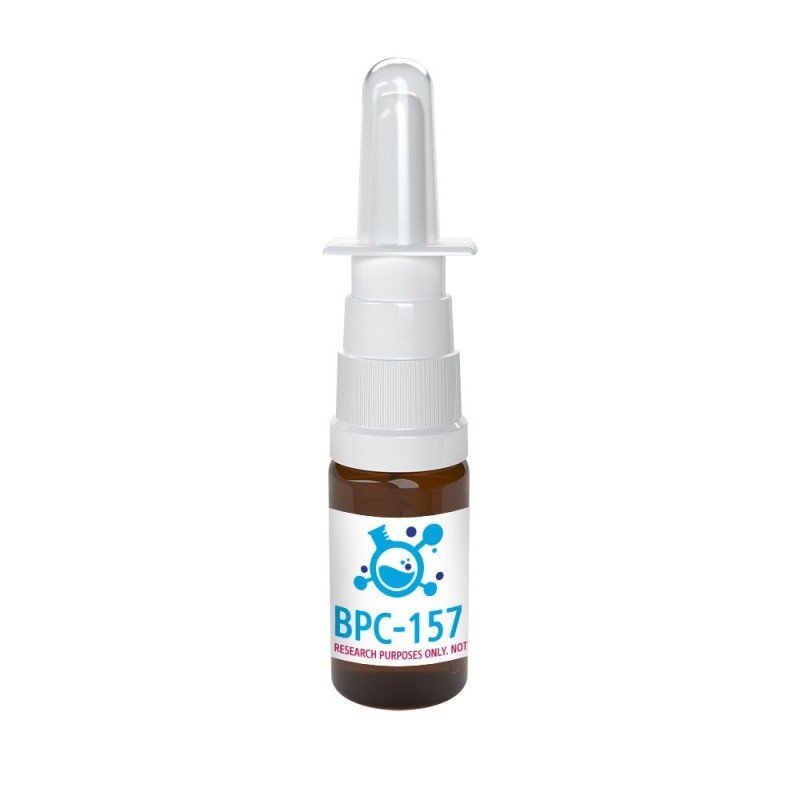
The stated presentation contains 10 mg of BPC-157 in a spray formulation. This figure identifies the labelled quantity of peptide in the product and should not be interpreted as a recommended dosage.
Spray formulations can vary significantly between manufacturers. Factors including concentration, excipients, container design, spray mechanism, stability, and storage conditions may affect the characteristics of a finished formulation.
For research purposes, users should rely on the specific product documentation supplied by the manufacturer rather than assuming that every peptide spray has identical properties.
Research Interest
BPC-157 has been investigated in preclinical models examining different biological pathways. Research may consider cellular behaviour, gastrointestinal processes, vascular mechanisms, and other experimental responses.
Such studies can contribute to scientific understanding, but research interest does not establish a therapeutic indication. A compound may demonstrate interesting properties in an experimental model without ultimately proving safe or effective as a treatment for people.
Responsible UK-facing content should therefore distinguish between scientific hypotheses, preclinical observations, and clinically established evidence.
Spray Formulation Considerations
A spray format introduces additional formulation considerations. Researchers may need to assess factors such as concentration, pH, chemical stability, container compatibility, excipients, environmental exposure, and consistency of delivery.
The stability of peptide materials can depend on their formulation and storage environment. Analytical testing may be used during formulation development to evaluate identity, purity, concentration, and stability over time.
Because different products can use different delivery systems, the manufacturer’s technical specifications should be consulted before incorporating a material into any legitimate research project.
Product Documentation
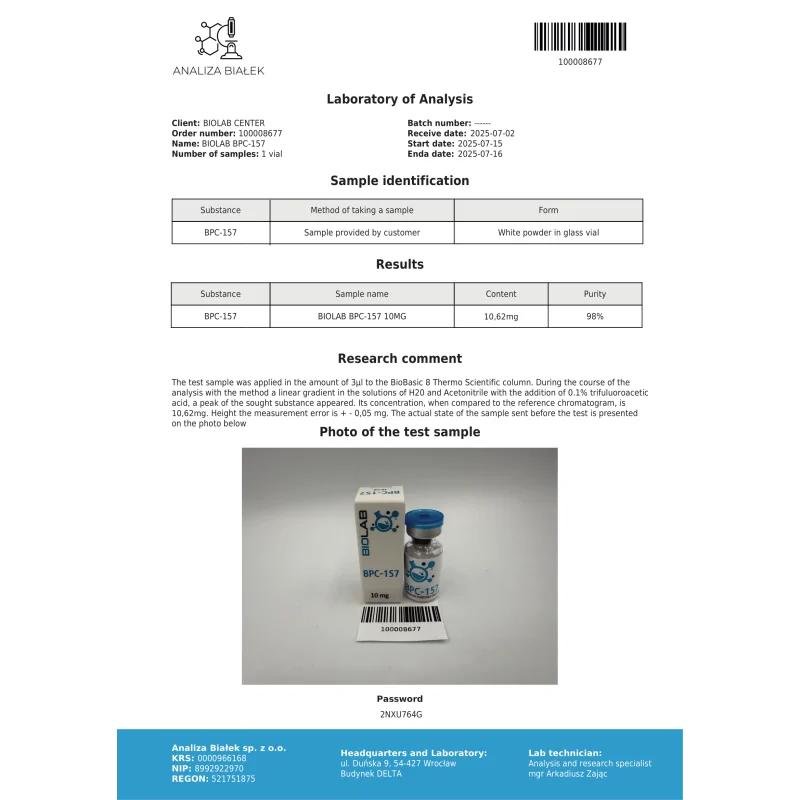
Transparent documentation is an important consideration when evaluating research peptide materials. Relevant information may include the compound name, stated quantity, batch identification, purity specification, manufacturing details, storage instructions, and certificate of analysis where available.
Batch-specific documentation can help researchers maintain accurate records and evaluate whether a material meets the requirements of an experimental programme.
A professional product description should also distinguish factual product specifications from theoretical claims. Avoiding exaggerated statements helps visitors understand what is known about the compound and what remains subject to scientific investigation.
Storage and Handling
Storage requirements should always follow the manufacturer’s technical instructions. Temperature, humidity, light exposure, and repeated environmental changes may influence the stability of sensitive peptide materials.
The original container and accompanying documentation should be retained whenever possible. Batch numbers and expiry information can support traceability and quality-control procedures.
Research-grade materials should be handled according to appropriate laboratory practices. They should not automatically be considered suitable for ingestion, injection, nasal administration, or other forms of personal use.
UK Regulatory Considerations
UK regulatory requirements can depend on the substance, formulation, intended purpose, advertising claims, and method of supply. Research materials should not be represented as licensed medicines unless they possess the relevant regulatory status.
Businesses operating websites for UK audiences should ensure that product descriptions and promotional claims comply with applicable legislation. Particular care is appropriate when discussing treatment, disease prevention, injury recovery, or other medical outcomes.
Anyone seeking treatment for a health condition should consult a qualified healthcare professional. Experimental peptide materials should not be presented as replacements for licensed medicines or professional medical care.
Choosing Research Materials
When assessing peptide suppliers, researchers may consider the transparency of available documentation. Useful information can include compound identification, stated quantity, purity data, batch information, certificate of analysis, storage requirements, and intended-use statements.
Clear labelling makes it easier to compare materials and maintain appropriate research records. Where identity or purity is critical, independent analytical testing may also be considered as part of a laboratory quality-control programme.
A credible UK-focused website should prioritise accurate information instead of promising guaranteed health, cosmetic, or performance outcomes.
Frequently Asked Questions
What does 10 mg mean?
It refers to the stated amount of BPC-157 in the particular product presentation. It is not a recommended human dose.
What is BPC-157 researched for?
It has been investigated primarily in preclinical models involving several biological processes, including gastrointestinal, cellular, and vascular research.
Does research prove that it treats injuries?
No. Preclinical findings should not be interpreted as proof of an established treatment for injuries or other medical conditions.
Can research-grade spray be used personally?
Research-grade materials should not automatically be considered suitable for human administration. Medical treatment decisions should be discussed with a qualified healthcare professional.
Final Overview
BPC-157 spray 10 mg is a defined peptide research presentation associated with ongoing preclinical scientific interest. Researchers have investigated various biological mechanisms, but experimental observations should not be confused with established clinical benefits.
For UK visitors, high-quality product information should clearly explain the stated composition, quantity, formulation characteristics, documentation, storage requirements, intended use, and relevant regulatory considerations.
A strong SEO page does not need unsupported medical promises to provide useful information. Clear terminology, relevant headings, concise explanations, and transparent product specifications can create valuable content for researchers and informed visitors.
Before acquiring or handling peptide research materials, users should review the manufacturer’s documentation and determine which UK requirements apply to their intended activity. Experimental compounds should be handled responsibly and should not be treated as substitutes for licensed medicines or professional healthcare.