BPC-157 Spray 5 mg: UK Research Information
BPC-157 is a synthetic peptide that has attracted interest in preclinical scientific research. Studies have explored the compound in experimental models involving cellular processes, gastrointestinal biology, vascular responses, and tissue-related mechanisms. A 5 mg spray presentation refers to the stated quantity of peptide contained within a particular formulation.
For UK audiences, it is important to distinguish experimental research from licensed medical treatment. BPC-157 is frequently discussed online in connection with recovery, injuries, inflammation, and other health-related subjects. However, laboratory and animal findings should not be presented as established clinical benefits or guarantees of safety and effectiveness in humans.
What Is BPC-157?
BPC-157 is a synthetic peptide consisting of 15 amino acids. Scientific interest has developed primarily through laboratory and preclinical research rather than established clinical medicine.
Researchers have examined different biological pathways and experimental models, including investigations involving gastrointestinal processes, cellular signalling, vascular mechanisms, and tissue biology. These studies may contribute to scientific understanding of peptide behaviour and help identify areas for further investigation.
Preclinical findings cannot automatically be translated into human outcomes. Questions concerning pharmacokinetics, safety, efficacy, administration, dosage, and long-term effects require appropriate scientific and clinical research.
5 mg Spray Presentation
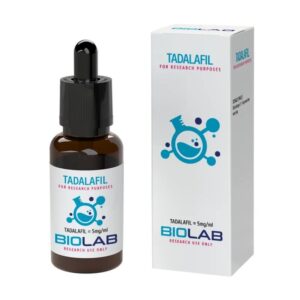
The stated product presentation contains 5 mg of BPC-157 in a spray formulation. This quantity identifies the labelled amount of peptide supplied and should not be interpreted as a recommended human dose.
Spray formulations can differ substantially between manufacturers. Concentration, excipients, pH, container design, spray mechanism, stability, and storage conditions can all influence the characteristics of a finished formulation.
Researchers should therefore rely on the manufacturer’s technical documentation for product-specific information rather than assuming that every peptide spray has identical properties.
Research Applications
BPC-157 has been investigated in preclinical models covering several areas of biological research. Experimental work may examine cellular responses, gastrointestinal processes, vascular activity, tissue-related mechanisms, and other biological pathways.
Research findings can provide useful information about potential mechanisms and support the development of future scientific hypotheses. Nevertheless, experimental evidence does not establish that the compound is an effective treatment for people.
A responsible UK-facing website should clearly separate established facts from preliminary findings. Claims relating to injury recovery, tissue repair, inflammation, pain reduction, or disease treatment should not be presented as proven outcomes without appropriate supporting evidence.
Spray Formulation Research
A spray format introduces additional considerations for formulation scientists. Researchers may assess factors such as concentration, pH, chemical stability, excipient compatibility, packaging, microbial considerations, and consistency.
Peptide stability can be influenced by environmental conditions and formulation composition. Analytical testing may therefore be used during development to assess identity, purity, concentration, and stability over a defined period.
The characteristics of one spray formulation cannot necessarily be applied to another. Researchers should consult the documentation supplied with the specific material and conduct appropriate testing for their intended project.
Product Documentation
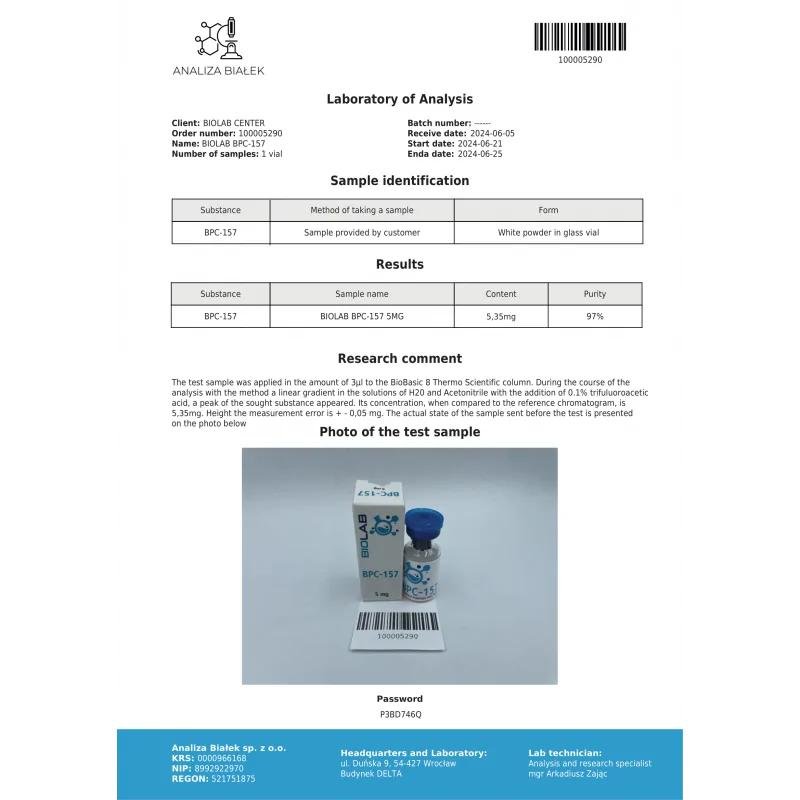
Transparent documentation is an important factor when evaluating research peptide materials. A professional product listing may provide the compound name, stated quantity, batch information, purity specifications, manufacturing details, storage recommendations, and certificate of analysis where available.
Batch-specific analytical documentation can assist with quality-control procedures and laboratory recordkeeping. Researchers should assess documentation according to the requirements of their own experimental programme.
Product pages should also distinguish factual specifications from theoretical claims. This creates clearer expectations and helps visitors understand what is known about the material.
Storage and Handling
Storage conditions should follow the manufacturer’s instructions. Factors including temperature, humidity, light exposure, and repeated environmental changes may affect sensitive peptide materials.
The original packaging, batch number, expiry information, and accompanying technical documentation should be retained whenever possible. Maintaining these records supports traceability and quality-control practices.
Research-grade materials should be handled using appropriate laboratory procedures. They should not automatically be considered suitable for ingestion, injection, nasal administration, or personal use.
UK Regulatory Considerations
Regulatory requirements in the UK can depend on the substance, formulation, intended purpose, advertising claims, and method of supply. Research materials should not be presented as licensed medicines unless they have the appropriate regulatory status.
Businesses targeting UK visitors should ensure that product descriptions and advertising comply with applicable requirements. Particular care should be taken when discussing medical conditions, injury recovery, disease prevention, or therapeutic effects.
Anyone seeking treatment for a health condition should consult an appropriately qualified healthcare professional. Experimental peptide materials should not be presented as replacements for licensed medicines or professional medical care.
Choosing Research Materials
Researchers evaluating suppliers can look for clear specifications and supporting documentation. Useful information may include compound identification, quantity, batch details, purity data, certificate of analysis, storage guidance, and intended-use information.
Transparent product descriptions make it easier to compare materials and maintain accurate research records. Independent analytical testing may also be appropriate when identity or purity is particularly important to an experimental programme.
A credible UK-focused website should prioritise accurate information instead of exaggerated claims about health, cosmetic, recovery, or performance outcomes.
Frequently Asked Questions
What does 5 mg mean?
It indicates the stated quantity of BPC-157 in the particular product presentation. It is not a recommended human dosage.
Why is BPC-157 researched?
The compound has been investigated in preclinical models involving several biological processes, including gastrointestinal, cellular, vascular, and tissue-related research.
Does research prove that it treats injuries?
No. Preclinical findings should not be interpreted as proof of an established treatment for injuries or other medical conditions.
Is a research spray suitable for personal use?
Research-grade materials should not automatically be considered suitable for human administration. Medical treatment decisions should be discussed with a qualified healthcare professional.
Final Overview
BPC-157 spray 5 mg is a defined peptide research presentation associated with ongoing preclinical scientific interest. Research has explored multiple biological mechanisms, but experimental observations should not be confused with established clinical benefits.
For UK visitors, useful product information should clearly explain composition, quantity, formulation characteristics, documentation, storage requirements, intended use, and relevant regulatory considerations.
High-quality SEO content can provide valuable information without relying on unsupported medical promises. Clear headings, natural terminology, accurate product specifications, and transparent research context can make a page more useful to visitors and search engines alike.
Before acquiring or handling any peptide research material, users should review the manufacturer’s documentation and determine which UK requirements apply to their particular circumstances. Experimental compounds should be handled responsibly and should not be treated as substitutes for licensed medicines or professional healthcare.