Buy ARA-290 5 mg – Research Peptide for Laboratory Studies
ARA-290 is an experimental peptide derived from a region of erythropoietin (EPO) that has attracted scientific interest because of its relationship with tissue-protective signalling and cellular response pathways. Researchers investigating peptide biology, neurobiology, inflammation-related signalling, and cellular protection mechanisms may find this compound relevant to laboratory research.
Our ARA-290 5 mg presentation is intended strictly for qualified research and laboratory applications. It should not be presented as an approved medicine, dietary supplement, or treatment for any human or veterinary condition.
What Is ARA-290?
ARA-290 is a small synthetic peptide derived from the helix-B region of erythropoietin. Unlike full-length EPO, research into ARA-290 has focused on signalling pathways associated with tissue protection rather than its classical role in stimulating red blood cell production.
Preclinical and early clinical investigations have explored the peptide’s interaction with protective signalling mechanisms, including pathways involving tissue responses and inflammatory processes. However, research remains experimental, and findings from laboratory or early-stage studies should not be interpreted as established evidence of clinical effectiveness.
Its distinctive structure makes ARA-290 an interesting subject for researchers examining how short peptides can influence cellular signalling without reproducing all of the biological actions associated with their parent proteins.
Research Applications
Interest in ARA-290 has developed across several areas of experimental biology. Researchers have investigated its potential interactions with tissue-protective pathways, neural signalling, inflammatory responses, and cellular stress mechanisms.
Potential research areas include:
- Peptide structure-function studies
- Cellular signalling research
- Neurobiology investigations
- Tissue-protection pathway research
- Inflammation-related laboratory studies
- Molecular biology
- Experimental pharmacology
- Peptide chemistry
- Cell-based research models
These categories describe scientific research interests rather than approved medical applications. Researchers should evaluate the underlying literature and design experiments according to appropriate controls, methodologies, and institutional requirements.
ARA-290 5 mg Product Format
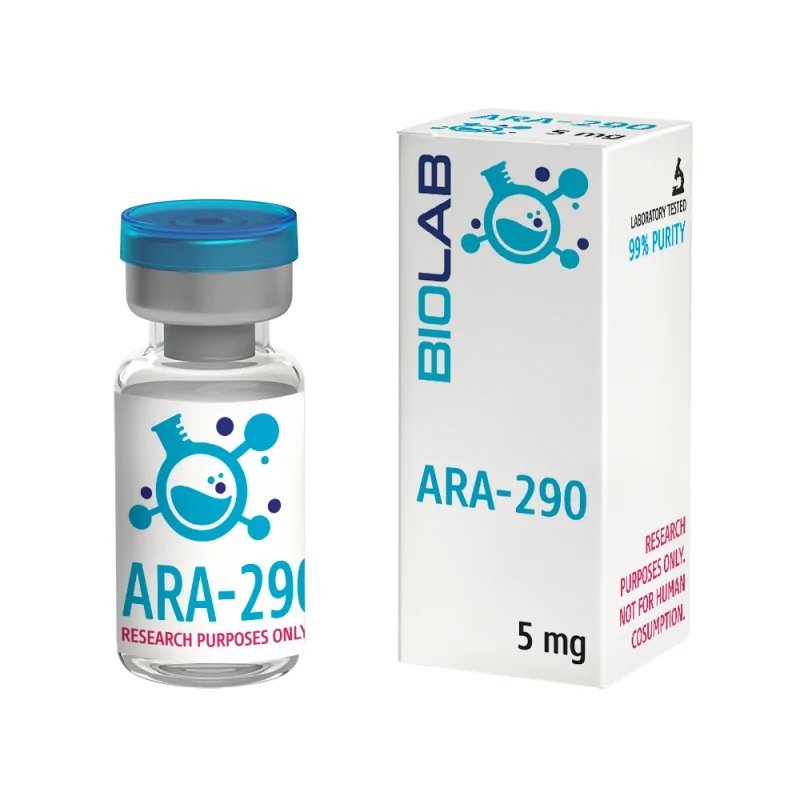
The 5 mg format provides laboratories with a defined quantity of experimental peptide for controlled research and analytical applications. Researchers should review the product specification and available documentation before incorporating the material into a laboratory workflow.
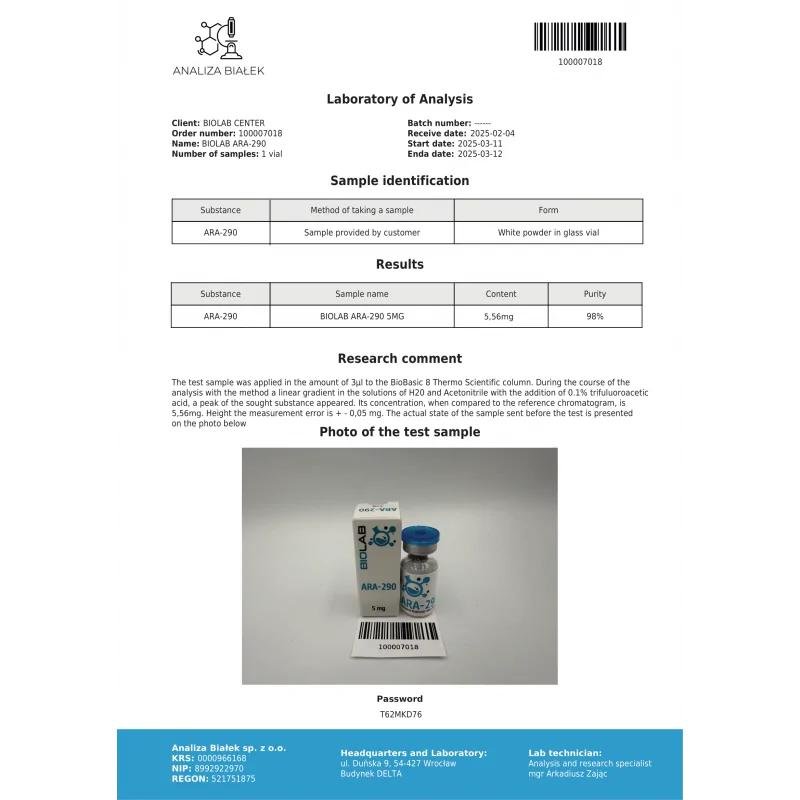
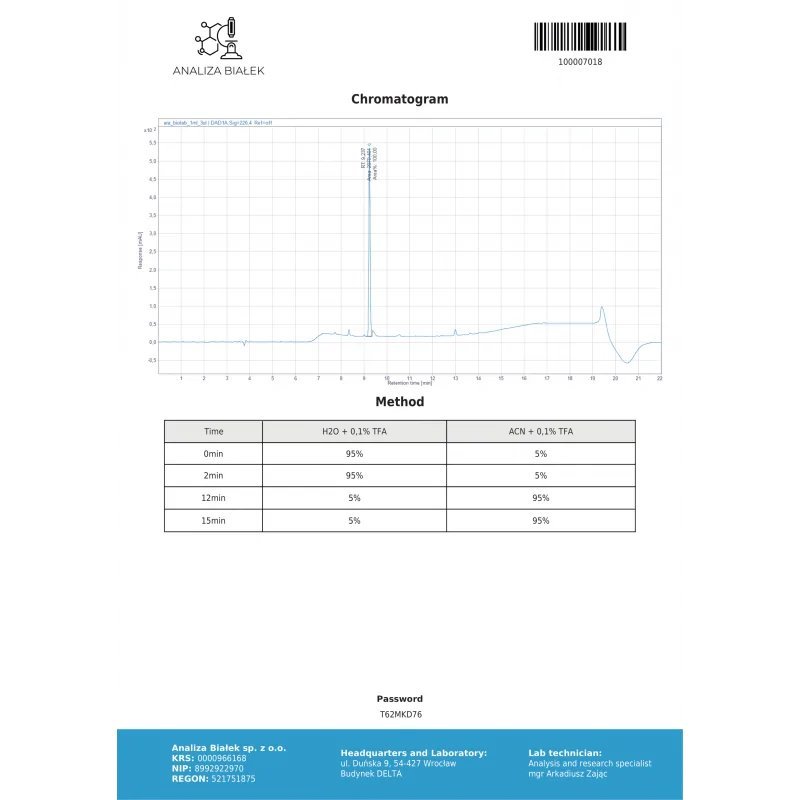
When evaluating research peptides, laboratories should consider factors such as peptide identity, purity, batch information, formulation, packaging, storage conditions, and available analytical documentation.
Maintaining batch records can also support research reproducibility. Where applicable, laboratories should record the product identifier and relevant analytical information alongside experimental results.
Researchers should follow the manufacturer’s storage recommendations and established laboratory procedures to help maintain material integrity.
Why Study EPO-Derived Peptides?
EPO-derived peptides have become an interesting area of research because modifications to protein structure can produce molecules with different biological characteristics. ARA-290 has been investigated as an example of how a smaller peptide derived from a larger protein may interact with biological signalling pathways in a distinct manner.
Scientific studies have examined the relationship between this peptide and tissue-protective mechanisms, particularly in experimental models involving neural and inflammatory processes. Such investigations can help researchers better understand the complex signalling functions associated with peptide fragments.
However, experimental observations should be interpreted within the limitations of each study. Results obtained in cell cultures or animal models do not necessarily predict outcomes in humans. Researchers should therefore distinguish between mechanistic evidence, preclinical findings, and clinically established effects.
Quality Considerations for UK Researchers
For UK laboratories, sourcing research materials from suppliers with transparent product information is an important consideration. A professional research product page should clearly identify the intended laboratory use and provide relevant specifications where available.
Researchers may wish to review documentation relating to peptide identity, purity testing, batch traceability, storage requirements, and analytical methods. Information associated with the specific production batch is generally more useful than generic claims about similar compounds.
Regulatory considerations should also be reviewed before purchasing or using experimental peptides. Products that do not hold appropriate UK marketing authorisation should not be represented as licensed medicines or promoted with unsupported therapeutic claims.
Businesses operating in the UK should ensure that their product descriptions accurately reflect the intended research status of the material and comply with applicable regulatory and advertising requirements.
Laboratory Handling and Storage
Appropriate handling is essential when working with experimental peptide materials. Researchers should follow documented storage instructions and use suitable laboratory procedures throughout handling and preparation.
Factors such as temperature, moisture, light exposure, and repeated handling may affect peptide stability depending on the specific formulation. Laboratories should therefore use validated procedures appropriate to their research design.
Only appropriately trained personnel should conduct laboratory preparation, analysis, or experimental procedures. Suitable protective equipment and institutional safety protocols should also be followed.
Choosing a Research Peptide Supplier
When comparing research suppliers, laboratories should consider transparency, product specifications, analytical documentation, packaging quality, batch traceability, and clearly stated research-use restrictions.
A well-structured supplier page should separate scientific background information from medical claims. This provides researchers with clearer information and reduces the possibility of confusing an experimental research compound with an approved pharmaceutical product.
Order for Laboratory Research
For qualified laboratories studying peptide chemistry, cellular signalling, neurobiology, and tissue-protective mechanisms, the 5 mg presentation offers a practical research-scale format for controlled investigations.
Before ordering, researchers should review the available specifications and confirm that the material is appropriate for their intended laboratory project. All research should be conducted in suitably equipped facilities and according to relevant institutional, safety, ethical, and regulatory requirements.
Important Research Disclaimer
This product is supplied strictly for research and laboratory use. It is not intended for human or veterinary consumption, self-administration, diagnosis, prevention, or treatment of any disease or medical condition. ARA-290 remains an experimental research peptide, and available findings should not be interpreted as proof of clinical safety or therapeutic effectiveness.
Researchers are responsible for ensuring that purchasing, storage, handling, and experimental use comply with applicable UK requirements and institutional policies. The information provided on this page is intended for scientific and educational purposes only and should not be considered medical advice.