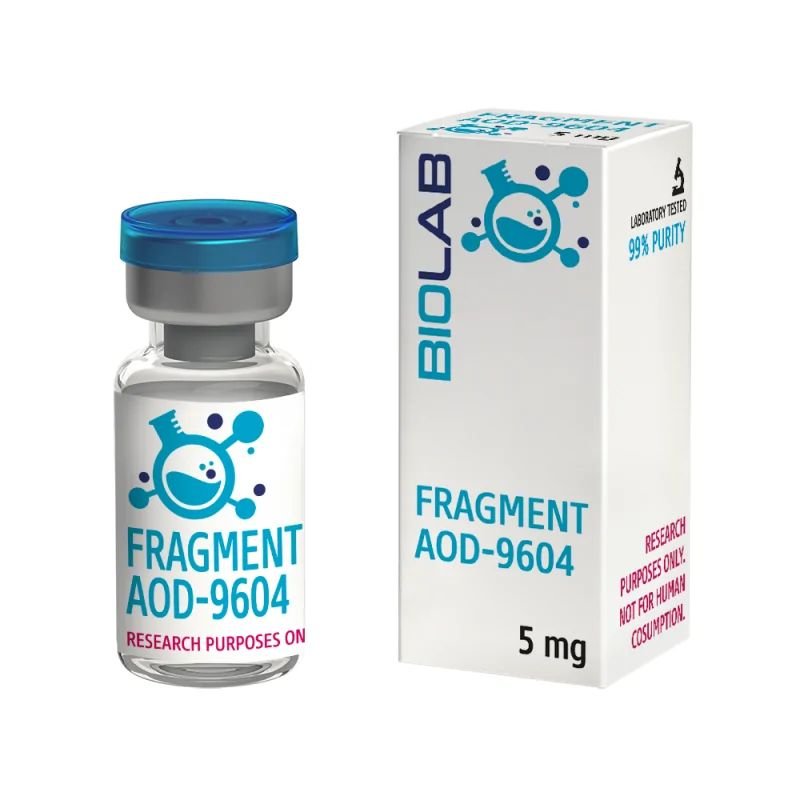
Buy Fragment AOD-9604 5 mg – UK Research Peptide
Fragment AOD-9604 is a synthetic peptide derived from a specific region of human growth hormone and has attracted scientific interest because of its distinctive molecular and biological characteristics. Researchers studying peptide chemistry, lipid metabolism and experimental biological signalling may investigate this compound as part of controlled laboratory research.
The 5 mg presentation offers a defined quantity of research material for laboratories evaluating peptide properties, analytical characteristics and experimental responses. Published research has examined AOD-9604 and related growth-hormone-derived fragments in cellular, animal and biochemical models. However, experimental findings should not be interpreted as evidence of an approved medical application.
What Is AOD-9604 Fragment?
AOD-9604 is associated with the C-terminal region of human growth hormone. Scientific literature describes it as a modified fragment corresponding to amino acids 177–191, with an additional tyrosine residue at the N-terminus. Researchers have investigated its molecular structure and biological activity independently from intact growth hormone. (PubMed)
Early laboratory research examined the effects of this peptide on lipolysis and lipogenesis in adipose tissue models. Experimental work involving rodent, porcine and human adipose tissues provided evidence of biological activity under controlled conditions. These findings have contributed to continued interest in growth-hormone-derived peptide research. (PubMed)
Research Applications
Fragment AOD-9604 may be relevant to laboratories investigating peptide-based metabolic research and molecular mechanisms involving adipose tissue. Researchers can examine its characteristics using appropriately designed in-vitro, biochemical or other permitted experimental models.
Potential areas of investigation include:
- Peptide structure and characterisation
- Adipose tissue research
- Lipolysis and lipid metabolism studies
- Peptide-receptor interaction research
- Molecular signalling investigations
- Comparative growth-hormone fragment studies
- Analytical and stability testing
- Experimental peptide screening
Animal research has reported changes in body-weight gain and fat oxidation following experimental exposure to AOD-9604. Importantly, these findings come from preclinical models and cannot be directly translated into human outcomes. (PubMed)
5 mg Research Format
The 5 mg format is designed for researchers who require a clearly defined quantity of peptide material for laboratory investigation. A measured research presentation can support experimental planning, analytical testing and comparative studies where consistent quantities are required.
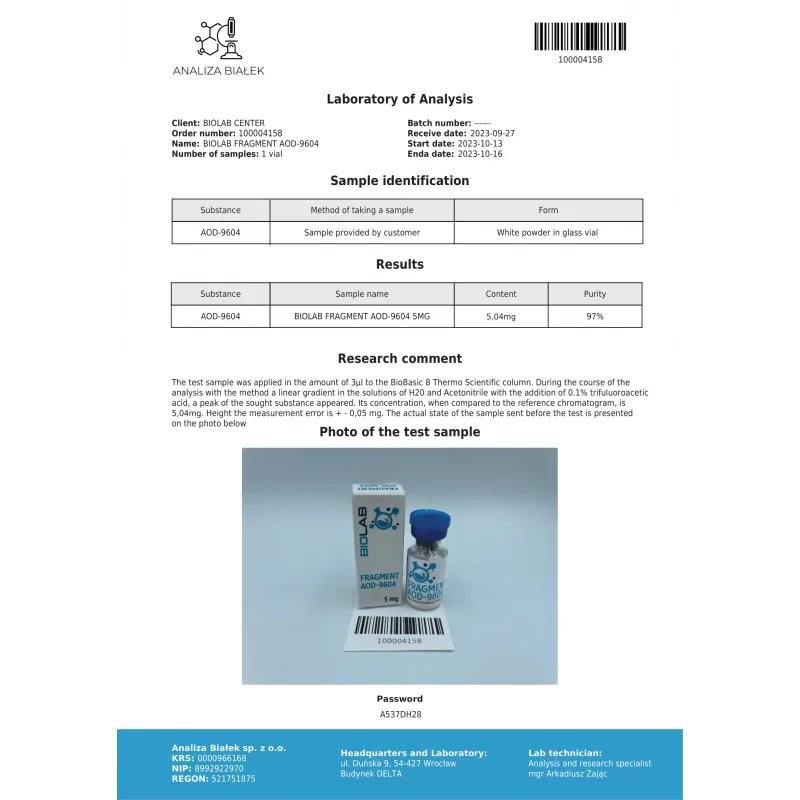
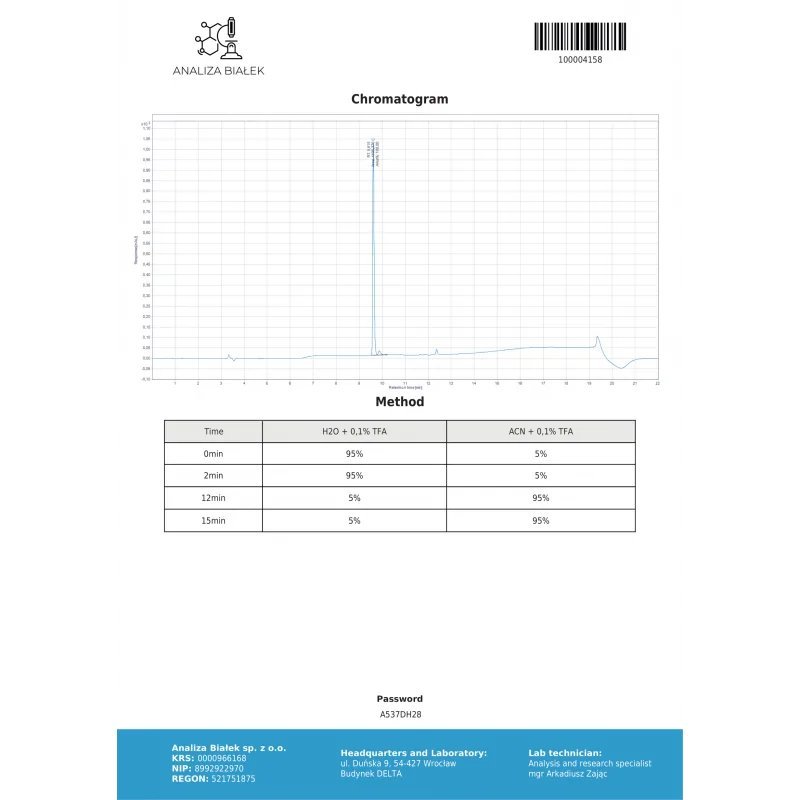
Researchers should review the accompanying documentation before incorporating any material into a protocol. Product identification, batch information, purity data and analytical documentation can help laboratories assess whether a particular research material is suitable for their intended application.
Why Study This Growth Hormone Fragment?
Growth-hormone-derived fragments provide researchers with an opportunity to investigate biological functions associated with specific peptide sequences rather than studying the complete hormone. AOD-9604 has therefore become a subject of interest in experimental research examining lipid-related processes.
Research published in PubMed has also examined methods for detecting the peptide and characterising metabolites in biological samples. Such analytical work demonstrates the importance of reliable identification techniques when studying peptide materials in research environments. (PubMed)
More recent scientific reviews have categorised AOD-9604 among unapproved peptides encountered in performance-enhancement and research-compound markets, while noting that rigorous human safety information remains limited for many such compounds. (PubMed)
Quality Considerations for UK Researchers
When sourcing research peptides in the UK, laboratories should prioritise transparent product information and appropriate documentation. A dependable research supplier should provide clear details about the compound, quantity, batch identification and available analytical testing.
Researchers should also consider packaging, storage instructions and traceability when evaluating laboratory materials. These factors can contribute to reproducible research and help laboratories maintain appropriate sample-management procedures.
It is also important to distinguish research information from medical advertising. UK regulatory guidance places requirements around the sale and promotion of medicinal products, and MHRA continues to monitor online advertising. (GOV.UK)
Laboratory Handling and Storage
Researchers should follow the supplier’s current technical documentation and their institution’s laboratory safety procedures when handling this material. Storage requirements should be checked before use, with attention given to environmental conditions that could affect peptide stability.
Appropriate labelling, controlled storage and careful handling can help protect research samples. Researchers should consult qualified laboratory personnel for procedures involving preparation, analysis or experimental use.
Choosing a Research Peptide Supplier
Selecting a research supplier involves more than comparing product quantities. Laboratories should look for transparent descriptions, consistent product identification and accessible quality documentation.
Avoiding unsupported claims is equally important. Experimental observations from cell or animal studies should not be presented as established human benefits. A research-focused product page should clearly separate published scientific findings from speculation or promotional language.
Order Fragment AOD-9604 5 mg for Research
Researchers investigating growth-hormone-derived peptide fragments may consider the 5 mg format when planning controlled laboratory studies. The material can be relevant to investigations involving peptide chemistry, analytical testing and experimental metabolic research.
The product should be considered strictly as research material and handled according to applicable institutional requirements. It is not presented as an approved medicine, treatment or nutritional product.
Important Research Disclaimer
This material is intended for laboratory research purposes only and is not intended for human or veterinary use. AOD-9604 research findings include preclinical and analytical studies, and these do not establish safety or therapeutic efficacy in humans. Users are responsible for complying with applicable UK laws, institutional policies and laboratory safety requirements.