
GHK-Cu + Epithalon Mix 20/10 mg: UK Research Information
GHK-Cu and Epithalon are peptide compounds that have attracted attention in biochemical, cosmetic, and preclinical research. A 20/10 mg presentation refers to a formulation containing a stated 20 mg quantity of GHK-Cu and 10 mg of Epithalon. These compounds are discussed in scientific literature for different reasons, making accurate product information particularly important when evaluating combination formulations.
For UK audiences, responsible peptide content should distinguish laboratory research from established medical treatment. Online discussions sometimes associate these compounds with ageing, skin appearance, recovery, longevity, or other health outcomes. Such claims should not be treated as established clinical facts without appropriate human evidence and regulatory approval.
What Is GHK-Cu?
GHK-Cu, commonly known as copper tripeptide-1, is a copper-associated peptide involving the naturally occurring GHK tripeptide. GHK consists of glycine, histidine, and lysine, while its association with copper gives the compound its commonly used name.
The ingredient has received considerable attention within cosmetic science and biochemical research. Researchers have investigated copper-peptide interactions and their relevance to cellular and formulation processes.
GHK-Cu is also encountered in cosmetic formulations, where it is studied as an ingredient in topical product development. However, laboratory observations and cosmetic research should not automatically be interpreted as evidence of a specific therapeutic effect in humans.
What Is Epithalon?
Epithalon, also spelled Epitalon in some scientific and commercial contexts, is a synthetic tetrapeptide that has been investigated primarily in experimental research. Interest in the compound includes studies examining cellular processes and biological mechanisms associated with ageing research.
The evidence surrounding Epithalon remains an area of ongoing scientific investigation. Preclinical findings cannot by themselves establish clinical effectiveness, appropriate human dosing, or long-term safety.
For this reason, a responsible UK product page should describe Epithalon in terms of research interest rather than presenting it as a proven anti-ageing, longevity, or disease-treatment product.
20/10 mg Product Presentation
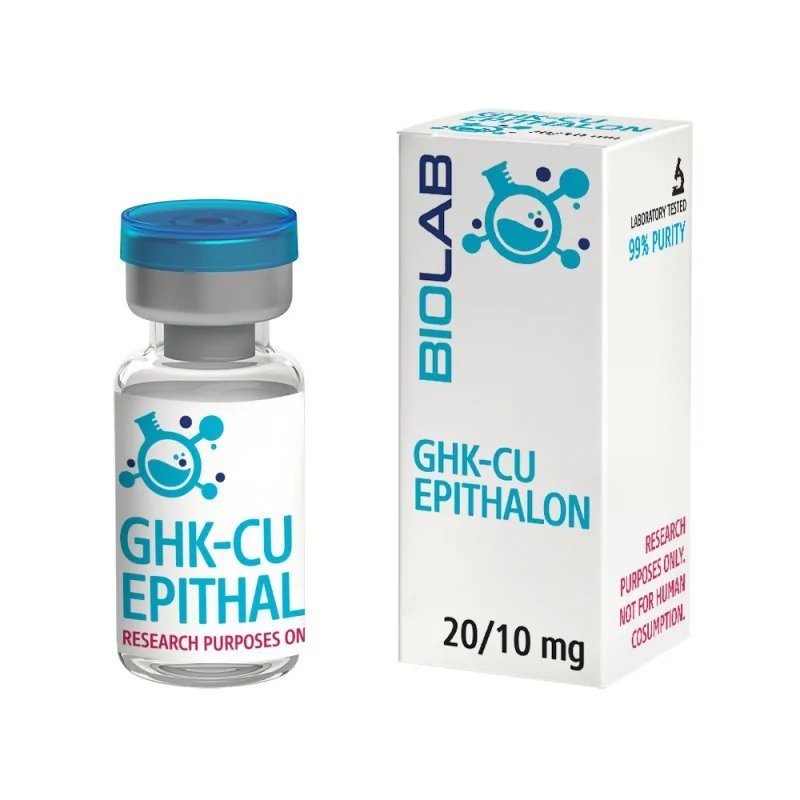
The stated formulation contains 20 mg of GHK-Cu and 10 mg of Epithalon. These quantities describe the labelled amount of each peptide in the presentation and should not be interpreted as recommended human doses.
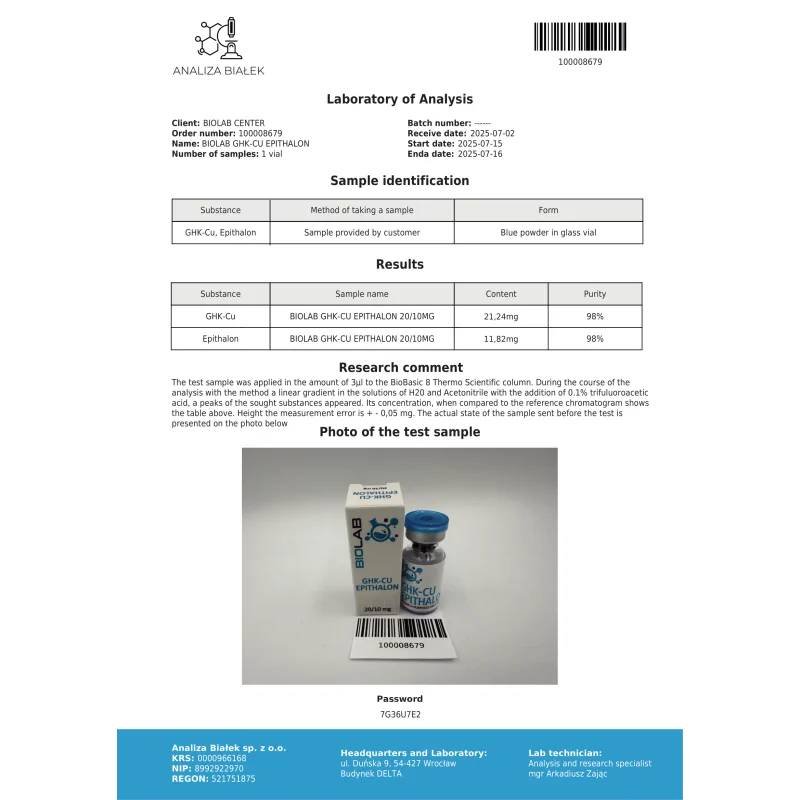
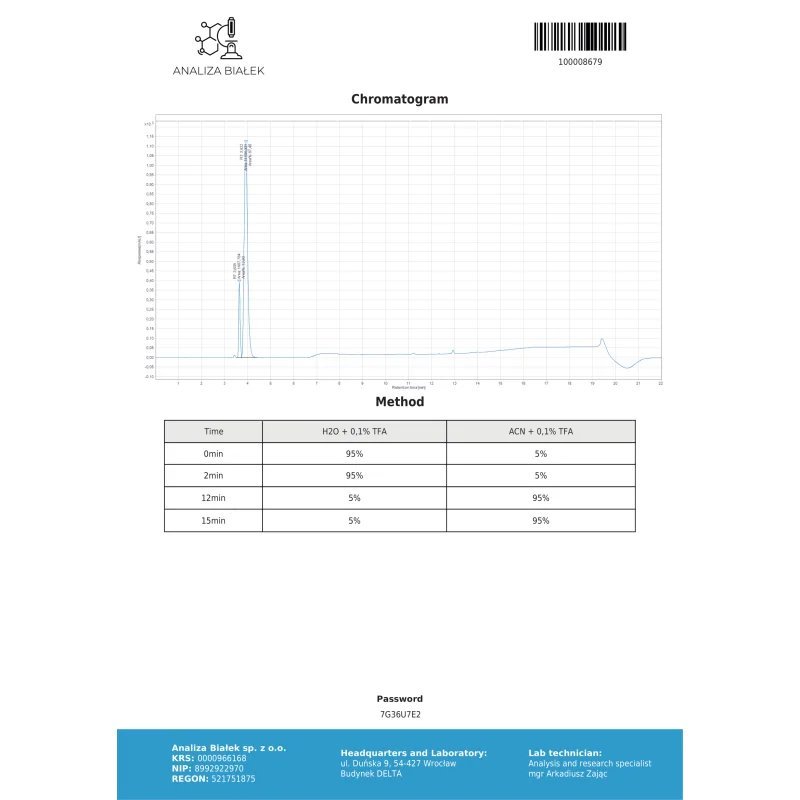
Product information should clearly identify the ingredients, quantities, formulation, intended use, and relevant technical specifications. Where available, documentation such as a certificate of analysis can provide batch-specific information regarding identity and purity.
Researchers should always consult the documentation supplied with the particular product rather than relying exclusively on general information found online.
Research Applications
Combination peptide formulations may be of interest to researchers investigating interactions between different compounds. Depending on the project, researchers may examine chemical stability, molecular characteristics, formulation compatibility, or biological pathways.
However, combining two research compounds does not establish that they produce a particular effect together. Any proposed synergistic or therapeutic effect requires appropriate experimental validation.
Researchers should therefore distinguish between established observations, hypotheses, preclinical findings, and claims that have not been independently demonstrated.
Cosmetic Formulation Research
GHK-Cu has particular relevance to cosmetic formulation research because copper peptides have been incorporated into certain topical skincare products. Formulators may investigate concentration, compatibility, stability, pH, packaging, and interactions with other cosmetic ingredients.
A combination containing another experimental peptide introduces additional formulation considerations. Stability testing and appropriate analytical evaluation can help determine whether a particular formulation remains suitable throughout its intended storage period.
Product developers should follow established formulation procedures and assess each ingredient according to its technical characteristics.
Storage and Handling
Peptide materials should be stored according to the manufacturer’s instructions. Environmental conditions such as temperature, moisture, light exposure, and repeated opening can influence the stability of sensitive compounds.
The original container, batch information, and accompanying documentation should be retained whenever possible. These records can assist with traceability and quality-control procedures.
Research-grade materials should be handled using appropriate laboratory procedures. They should not automatically be assumed to be suitable for ingestion, injection, or other forms of human administration.
UK Regulatory Considerations
UK requirements can depend on the substance, formulation, intended purpose, advertising claims, and method of supply. A research material should not be described as an authorised medicine unless it has the appropriate regulatory status.
Websites serving UK visitors should therefore use accurate descriptions and avoid claims that imply guaranteed medical, anti-ageing, regenerative, or longevity benefits.
Anyone considering experimental peptide use for a health condition should seek advice from a qualified healthcare professional. Research materials should not be presented as substitutes for licensed medicines or clinically established therapies.
Choosing Quality Research Materials
Researchers evaluating peptide suppliers should consider transparency and documentation. Useful information may include the stated compound identity, quantity, batch number, purity specifications, certificate of analysis, storage requirements, and intended-use statement.
Clear labelling makes it easier to compare different materials and maintain accurate laboratory records. Independent testing may also be appropriate when material identity or purity is especially important to an experimental project.
A professional product page should prioritise verifiable information instead of relying on exaggerated promotional claims.
Frequently Asked Questions
What does 20/10 mg mean?
It indicates a stated 20 mg quantity of GHK-Cu and 10 mg quantity of Epithalon in the formulation.
Is this combination an approved medicine?
Research status should not be confused with medicinal approval. Experimental peptide materials should not be presented as authorised treatments without the appropriate regulatory status.
Is GHK-Cu used in cosmetics?
Copper tripeptide-1 has been used and investigated in cosmetic formulation contexts, although individual products and claims are subject to applicable requirements.
Does Epithalon have proven anti-ageing benefits?
Experimental research should not be interpreted as proof of an established anti-ageing treatment. Further appropriate scientific and clinical evidence would be required for therapeutic claims.
Final Overview
GHK-Cu + Epithalon mix 20/10 mg is a combination peptide presentation containing stated quantities of two compounds with different areas of research interest. GHK-Cu is widely discussed in cosmetic and biochemical research, while Epithalon has primarily attracted attention through experimental studies.
For UK researchers and formulators, reliable information should focus on composition, quantity, documentation, storage, intended use, and applicable regulations. Avoiding unsupported therapeutic claims helps provide visitors with realistic and scientifically responsible information.
Before acquiring or handling any peptide material, users should review the manufacturer’s documentation and determine which UK requirements apply to their intended activity. Experimental compounds should be handled responsibly and should not be treated as replacements for professional medical care or licensed medicines.


