Buy KPV 5 mg – Research Peptide for Laboratory Studies
KPV is a short peptide fragment associated with alpha-melanocyte-stimulating hormone (α-MSH) research and has attracted scientific interest in peptide chemistry, molecular biology, cellular signalling, and experimental inflammation research. Its simple three-amino-acid structure makes it an interesting subject for researchers studying relationships between peptide sequence, molecular interactions, and biological activity.
Our KPV 5 mg presentation is intended strictly for qualified research and laboratory applications. It should not be presented as an approved medicine, dietary supplement, cosmetic treatment, or therapy for any human or veterinary condition.
What Is KPV?
KPV, also known as Lys-Pro-Val, corresponds to residues 11–13 at the C-terminal end of α-MSH. Scientific investigations have examined this short sequence independently to better understand the biological properties associated with α-MSH-derived peptides.
Experimental research has reported activity involving inflammatory and cellular pathways in different laboratory models. However, these findings should be interpreted according to the specific experimental conditions used. Results from animal, cell-based, or other preclinical studies do not establish clinical effectiveness in humans.
The distinction between KPV and the larger α-MSH molecule is also important. Findings involving the parent peptide or related melanocortin compounds should not automatically be attributed to this shorter sequence.
Research Applications
The compact structure of KPV makes it relevant to several areas of peptide and molecular research. Laboratories may investigate its chemical characteristics, structure-function relationships, cellular interactions, and behaviour under controlled experimental conditions.
Potential research areas include:
- Peptide chemistry
- Molecular biology
- Cellular signalling
- Structure-function investigations
- Melanocortin-related research
- Inflammation pathway studies
- Cell culture research
- Peptide-receptor investigations
- Analytical peptide science
- Experimental pharmacology
These categories describe potential scientific applications rather than established medical uses. Researchers should evaluate peer-reviewed evidence and consider the methodology, concentration, biological model, and controls associated with each study.
KPV 5 mg Product Format
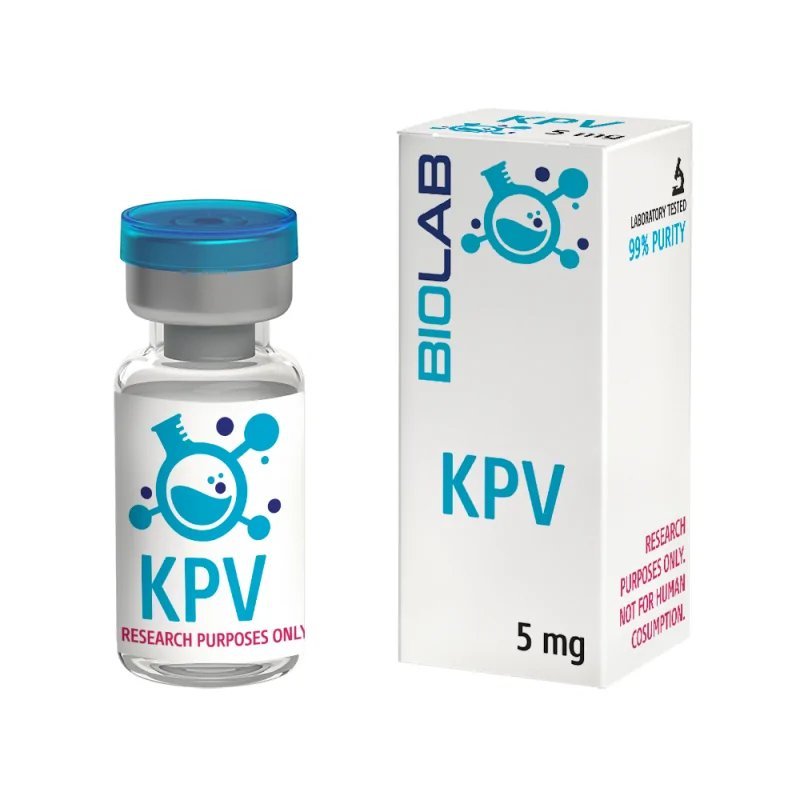
The 5 mg format provides laboratories with a defined quantity of experimental peptide for planned research and analytical workflows. Researchers should review the available product specifications before determining whether the material is appropriate for their particular project.
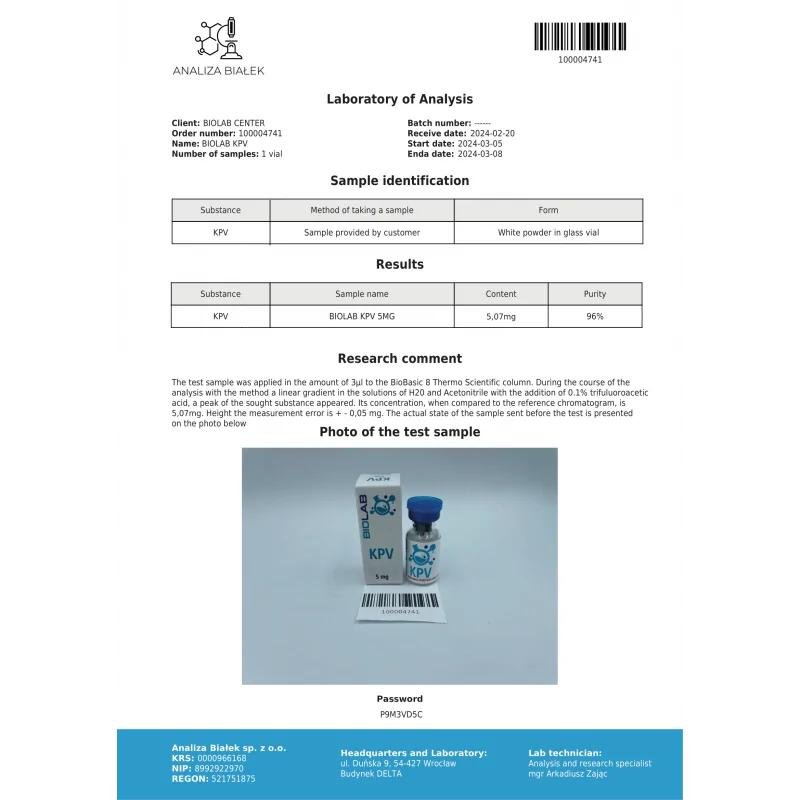
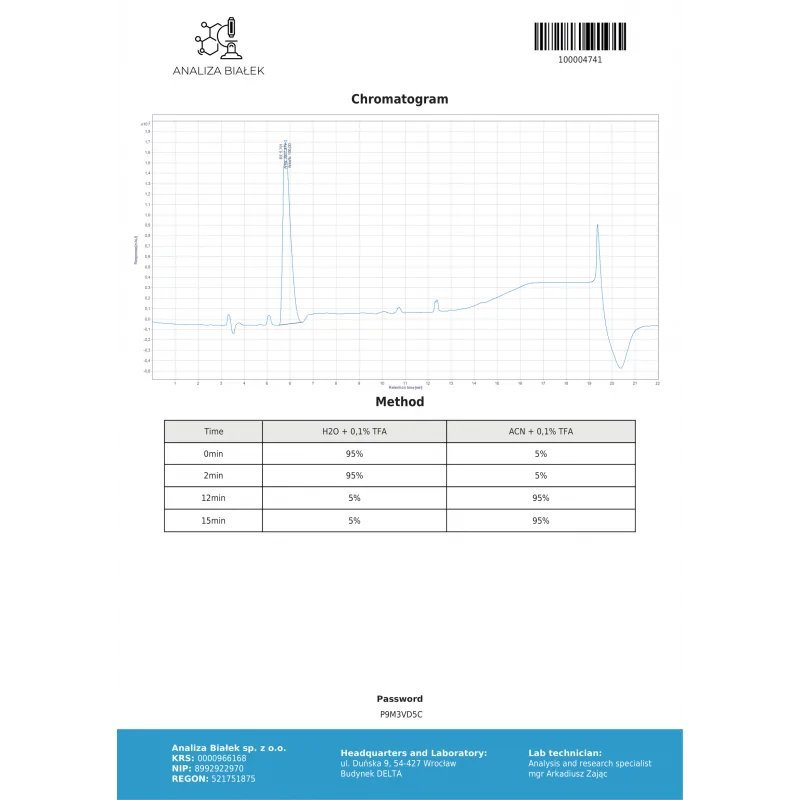
Important quality considerations may include peptide identity, purity, batch information, formulation, packaging integrity, storage requirements, and analytical documentation. Where a certificate of analysis is provided, researchers should confirm that it relates to the relevant production batch.
Maintaining accurate batch records can help laboratories improve traceability and experimental reproducibility. Product identifiers and relevant analytical information may be recorded alongside laboratory observations where appropriate.
Why Study Short Peptide Fragments?
Short peptide fragments provide researchers with useful models for exploring how individual amino-acid sequences contribute to molecular activity. By studying a smaller sequence separately from its parent molecule, scientists can investigate specific structure-function relationships under controlled conditions.
KPV is particularly interesting because it represents a defined C-terminal sequence of α-MSH. Research has explored its effects in experimental models and compared its behaviour with other melanocortin-derived peptides. One study investigated KPV in an experimental model of inflammation and reported biological effects distinct from those observed with certain melanocortin receptor agonists. (PubMed)
Other research has examined KPV and related α-MSH-derived sequences in antimicrobial and structure-activity investigations. Such findings contribute to basic peptide science but do not by themselves establish a clinical application. (PubMed)
Quality Considerations for UK Researchers
UK laboratories sourcing research peptides should prioritise transparent product specifications and clearly stated intended use. A professional research product page should distinguish laboratory information from medical or therapeutic claims.
Researchers may wish to assess available information regarding peptide identity, purity, batch traceability, packaging, storage conditions, and analytical testing. Documentation associated with the actual batch is preferable to relying on general information relating to another supplier or production lot.
Regulatory status should also be considered when publishing UK product information. The MHRA states that medicines without the appropriate UK marketing authorisation cannot be advertised as licensed medicines, and its guidance specifically covers promotional information published on company websites. (GOV.UK)
For that reason, research materials should be described accurately and should not be promoted with unsupported therapeutic promises.
Laboratory Handling and Storage
Proper storage and handling can help maintain the quality of experimental peptide materials. Researchers should follow the manufacturer’s storage instructions and established institutional laboratory procedures.
Environmental factors including temperature, moisture, light exposure, and repeated handling can influence peptide stability depending on the formulation. Laboratories should therefore use validated procedures appropriate to their experimental objectives.
Research activities should be performed by appropriately trained personnel in suitable facilities. Institutional safety procedures and appropriate protective equipment should be used whenever experimental materials are handled.
Choosing a Research Supplier
When comparing research peptide suppliers, laboratories should consider transparent product information, batch identification, analytical documentation, packaging standards, storage guidance, and clear research-use restrictions.
A responsible supplier should separate established scientific findings from preliminary observations. This makes it easier for researchers to assess the material objectively and reduces confusion between experimental research products and regulated pharmaceutical medicines.
Clear descriptions can also help laboratories identify the appropriate format and quantity for their planned investigations.
Order for Laboratory Research
For qualified laboratories studying peptide chemistry, molecular signalling, melanocortin-related pathways, and cellular biology, the 5 mg format provides a practical quantity for controlled research.
Researchers should review all available specifications before ordering and determine whether the material meets their experimental requirements. Laboratory work should be conducted according to appropriate scientific methods, institutional procedures, and applicable UK requirements.
Important Research Disclaimer
This product is supplied strictly for research and laboratory use. It is not intended for human or veterinary consumption, self-administration, diagnosis, prevention, or treatment of any disease or medical condition. KPV remains a subject of experimental research, and findings from laboratory and preclinical studies should not be interpreted as proof of clinical safety or therapeutic effectiveness.
Researchers are responsible for ensuring that purchasing, storage, handling, and experimental use comply with applicable UK laws, institutional policies, safety procedures, and ethical standards. The information provided on this page is intended for scientific and educational purposes only and should not be considered medical advice.