Buy LZ1 30 mg – Research Peptide for Laboratory Studies
LZ1 is a synthetic peptide that has attracted interest in laboratory research because of its antimicrobial properties and potential biological activity. Researchers have investigated this short peptide in experimental models involving microorganisms, inflammatory signalling and cellular responses. For UK laboratories and research professionals exploring emerging peptide compounds, LZ1 30 mg provides a defined research material for controlled scientific investigation.
The peptide described in published research contains 15 amino acid residues and has a sequence rich in lysine, arginine, tryptophan and valine. Its molecular structure and cationic character have made it an interesting subject for antimicrobial peptide research. PubChem records the peptide structure and molecular information, while peer-reviewed studies have investigated its activity under controlled experimental conditions. (PubChem)
What Is LZ1?
LZ1 is a small synthetic peptide studied within the broader field of antimicrobial peptide research. One published study examined its activity against bacterial species associated with acne research, including Staphylococcus aureus and Staphylococcus epidermidis. Researchers reported activity in laboratory testing and also evaluated the compound in an experimental mouse skin-colonisation model. (PubMed Central (PMC))
A separate study investigated LZ1 in relation to Plasmodium parasites. The research examined both in-vitro activity and an animal model, finding effects on parasite-associated processes and ATP production. These findings are useful for understanding why this peptide continues to receive attention in experimental antimicrobial research, although they do not establish an approved human medical application. (PubMed)
Research Applications
LZ1 can be relevant to researchers studying antimicrobial peptides, host-microbe interactions and peptide-based experimental approaches. Its compact structure makes it suitable for investigations into how cationic peptides interact with biological membranes and microbial systems.
Potential laboratory research areas may include:
- Antimicrobial peptide screening
- Microbial susceptibility experiments
- Peptide-membrane interaction studies
- Inflammatory signalling research
- Cellular response investigations
- Experimental parasite research
- Structure-function peptide analysis
- Development of novel peptide research candidates
Published research has explored activity against several microorganisms and examined inflammatory markers in experimental systems. Such findings can help researchers formulate hypotheses for further controlled studies rather than being interpreted as evidence of a clinically established treatment. (PLOS)
LZ1 30 mg Product Format
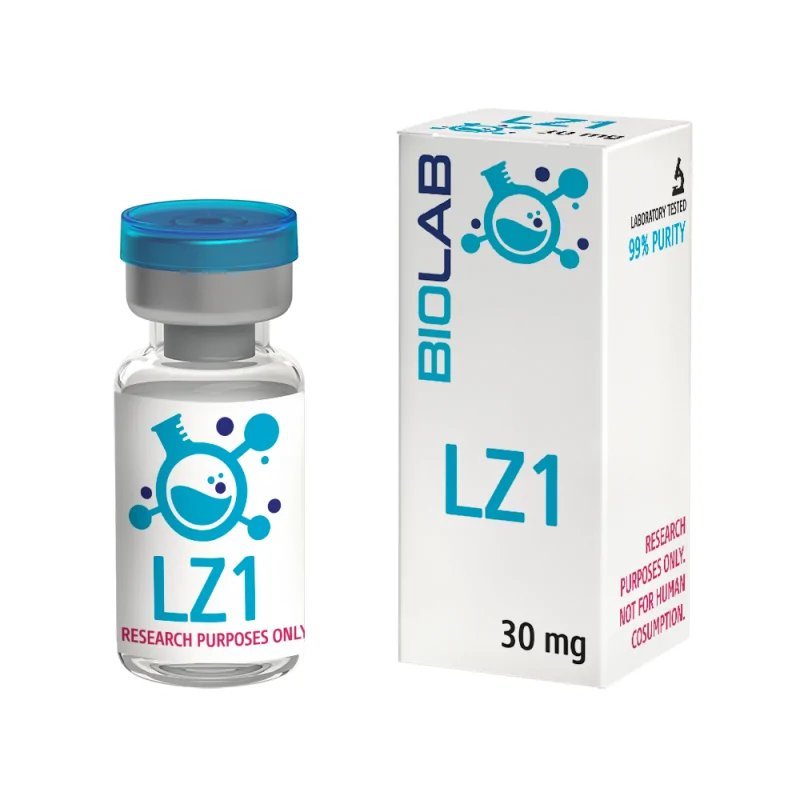
This 30 mg presentation is intended for researchers who require a defined quantity of peptide material for laboratory work. The product format can be useful when designing repeated experiments, comparative peptide studies or analytical procedures where consistent material is important.
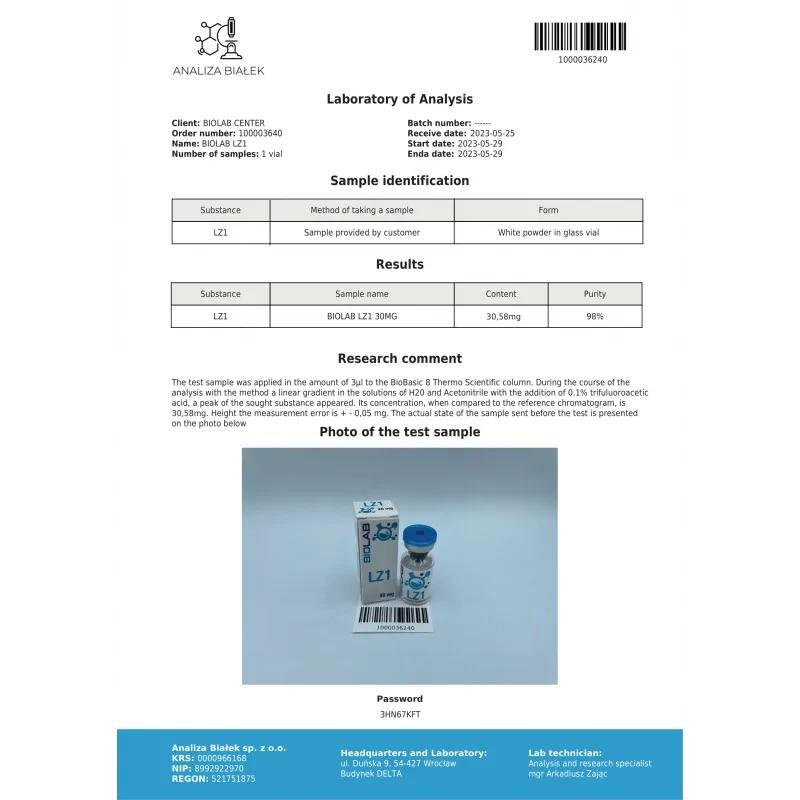
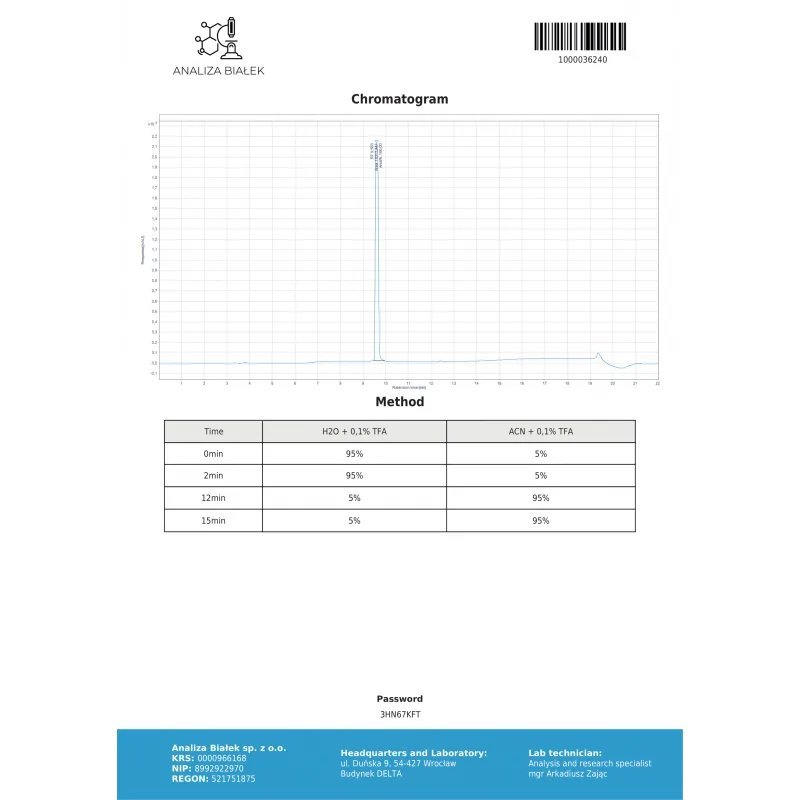
Before beginning any experiment, researchers should verify the product documentation supplied with their material. Analytical information such as identity, purity, batch information and testing documentation can assist laboratories in evaluating suitability for their intended research protocol.
Why Research This Peptide?
Interest in antimicrobial peptides has increased because these molecules offer researchers alternative mechanisms for investigating microbial interactions. LZ1 is particularly notable because published studies have examined its activity in both bacterial and parasitic research models.
The compound’s short sequence also makes it useful for studying relationships between peptide structure and biological activity. Researchers can investigate variables such as concentration, exposure conditions, target organisms and cellular responses while maintaining appropriate experimental controls.
Importantly, results observed in cell or animal studies should not automatically be transferred to humans. Further research is required to establish safety, pharmacology, efficacy and appropriate applications.
Quality Considerations for UK Researchers
When sourcing research peptides in the UK, quality documentation should be an important consideration. Researchers should look for clear product identification, batch information, analytical documentation and appropriate storage guidance.
Laboratories may also wish to consider supplier transparency, packaging integrity and traceability. These factors can help researchers maintain consistent experimental conditions and improve reproducibility across research projects.
Laboratory Handling and Storage
LZ1 should be handled according to the supplier’s current product documentation and the requirements of the laboratory’s own safety procedures. Researchers should review the certificate of analysis and technical documentation before use.
Storage conditions should follow the manufacturer’s recommendations. Avoid unnecessary exposure to heat, moisture or unsuitable environmental conditions. Proper labelling and controlled access are also important for maintaining sample integrity.
Choosing a UK Research Supplier
A reliable research supplier should provide clear product information without making unsupported therapeutic promises. Researchers should be able to identify the compound, product quantity and relevant analytical documentation before purchasing.
For laboratories investigating emerging peptides, transparent information is particularly valuable because published evidence may remain limited or preclinical. Selecting material based on documentation and research suitability is preferable to relying on exaggerated performance claims.
Order LZ1 for Laboratory Research
Researchers looking to buy LZ1 30 mg can consider this presentation when planning controlled laboratory investigations involving peptide chemistry, antimicrobial research or experimental biological systems. Its documented research history provides a useful starting point for researchers interested in further investigating short synthetic peptides.
The material should be used only within an appropriate research environment and according to applicable laboratory procedures. It is not presented as an approved medicine or as a product intended to diagnose, treat, cure or prevent disease.
Important Research Disclaimer
LZ1 is supplied for laboratory and research purposes only. Published findings discussed above originate from experimental studies and should not be interpreted as evidence of established human therapeutic efficacy or safety. This product is not intended for human or veterinary use, self-administration or medical treatment. Researchers are responsible for following applicable UK regulations, institutional requirements and laboratory safety procedures.