SNAP-8 20 mg: UK Research and Cosmetic Formulation Information
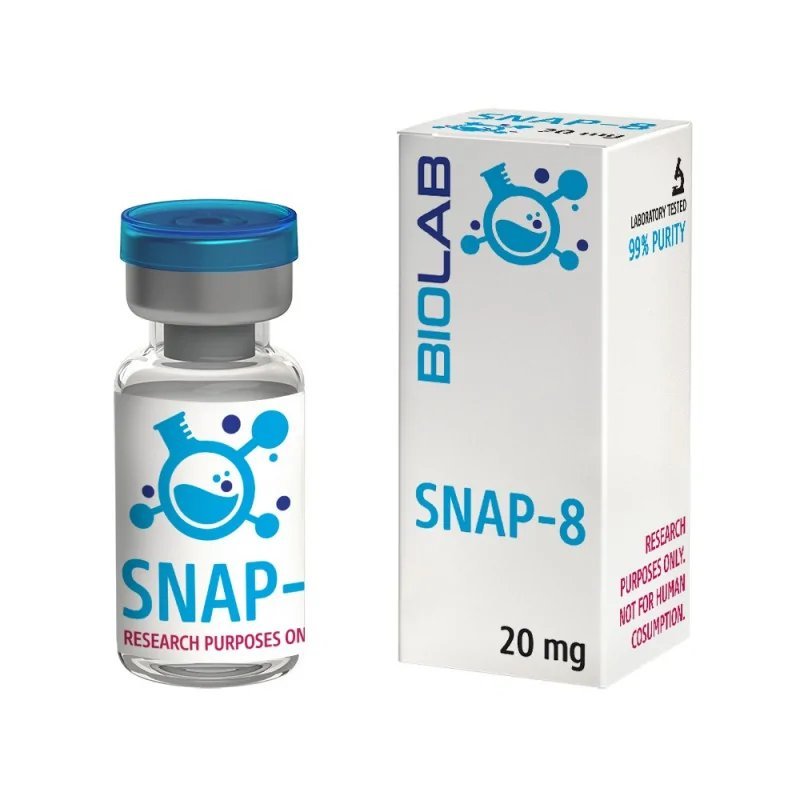
SNAP-8 is a synthetic peptide commonly discussed in cosmetic science and peptide formulation research. A 20 mg presentation identifies the stated amount of material supplied for laboratory evaluation or formulation development. For UK audiences, accurate content should distinguish cosmetic research from licensed medicinal use and avoid unsupported promises about results.
This guide provides factual information about SNAP-8, its peptide background, cosmetic research context, the 20 mg specification, quality documentation, storage considerations, formulation development, and UK regulatory considerations. It is intended for educational and research information rather than medical advice or instructions for personal use.
What Is SNAP-8?
SNAP-8 is the commonly used name for Acetyl Octapeptide-3, a synthetic peptide associated with cosmetic ingredient research. It has been studied in the context of cosmetic formulations and peptide-based skincare technology. Peptide ingredients can be evaluated for their chemical characteristics, compatibility with formulation systems, stability, and performance under controlled conditions. Researchers and cosmetic formulators should review technical literature carefully and distinguish supplier information from independently verified evidence.
Understanding the 20 mg Specification
The 20 mg specification refers to the stated quantity of SNAP-8 material in the relevant presentation. Accurate quantity information is important when researchers compare batches, prepare laboratory samples, or evaluate formulation concepts.
Information published online should correspond with the product label and supporting technical documents. Researchers should verify the ingredient name, stated quantity, batch information, purity or specification data where available, and relevant documentation before beginning laboratory work.
Cosmetic Formulation Research
SNAP-8 may be of interest to cosmetic scientists and formulators investigating peptide-containing skincare products. Research can examine factors such as solubility, compatibility, concentration ranges used in formulation development, pH considerations, stability, preservation systems, packaging, and interactions with other cosmetic ingredients.
Formulation performance depends on the complete composition of a finished product. A peptide ingredient cannot be evaluated independently from the surrounding formulation because vehicle characteristics, pH, preservatives, packaging, and manufacturing conditions can influence product stability.
Researchers should therefore conduct appropriate compatibility and stability testing rather than assuming that results from one formulation will apply to another.
Quality and Documentation
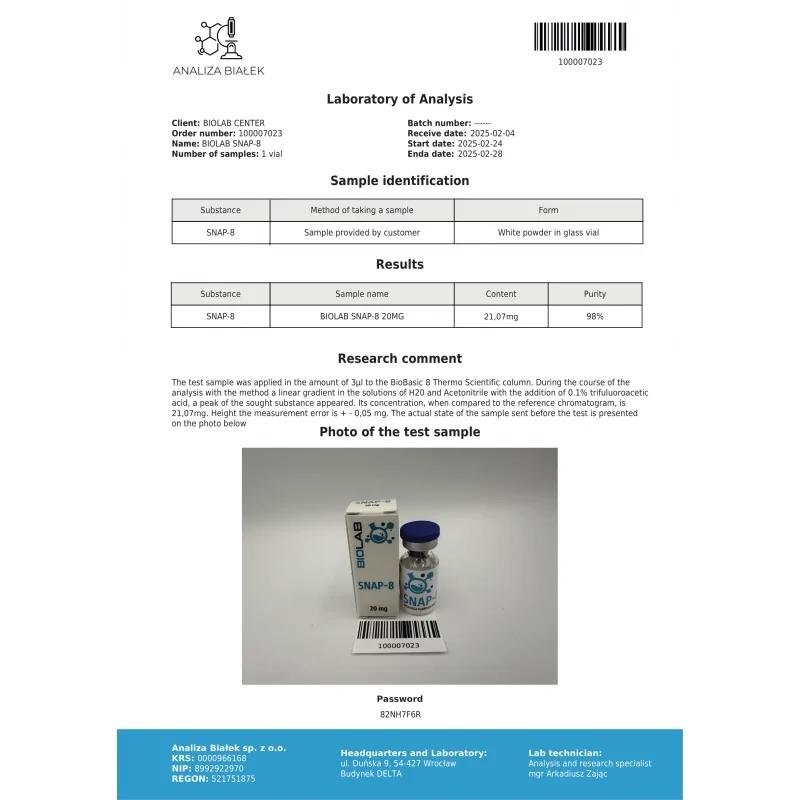
Quality documentation is an important consideration when evaluating cosmetic research ingredients. Depending on the supplier, supporting information may include a certificate of analysis, specification sheet, ingredient identification, batch number, purity information, manufacturing details, and recommended storage conditions.
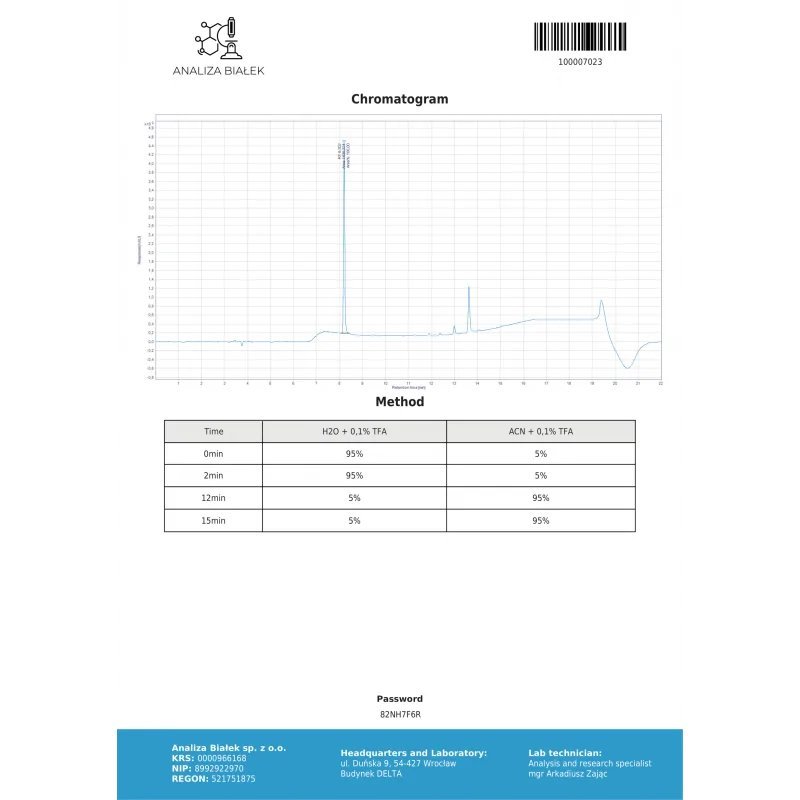
A certificate of analysis can help document batch-specific testing. Researchers should check that the batch number on the material matches the accompanying documentation. Analytical methods for peptide characterisation may include chromatography and mass spectrometry, depending on the material and testing requirements.
Storage and Handling
Peptide materials should be stored according to the supplier’s instructions and relevant laboratory procedures. Temperature, moisture, light, air exposure, and container integrity can influence the stability of sensitive materials.
Storage requirements may differ between peptide ingredients and formulations. Researchers should consult the documentation supplied with the specific batch rather than applying generic assumptions.
UK Cosmetic and Regulatory Context
For UK websites, terminology should reflect the intended use of the material. Cosmetic ingredients and experimental research materials should not automatically be described as medicines or therapeutic products. Claims about reducing wrinkles, treating medical conditions, or producing guaranteed biological effects should be supported by appropriate evidence and comply with applicable advertising and cosmetic requirements.
Businesses developing or marketing cosmetic products in the UK should check current requirements relating to cosmetic safety, product information, responsible persons, claims, labelling, and market placement.
Choosing a Research-Grade Ingredient
When evaluating SNAP-8 20 mg, researchers can consider clear specifications, batch traceability, analytical documentation, packaging quality, storage guidance, and transparent sourcing information. A strong product page should explain what documentation is available without overstating the evidence.
For SEO purposes, related terms can be used naturally throughout the page, including cosmetic peptide, Acetyl Octapeptide-3, peptide formulation, skincare research, cosmetic ingredient, laboratory analysis, formulation development, and UK cosmetic information.
Researchers may also compare supplier specifications across batches and retain records for future reference. Clear documentation is especially useful when developing prototype formulations, reviewing ingredient compatibility, or assessing changes observed during controlled stability studies. These practices help support reproducible work and more consistent interpretation of laboratory findings during laboratory research.
Frequently Asked Questions
What does 20 mg mean?
It indicates the stated quantity of material in the specified presentation. Always verify the amount using the product label and accompanying documentation.
Is SNAP-8 a medicine?
SNAP-8 is generally discussed as a cosmetic peptide ingredient rather than automatically being treated as a licensed medicine. Regulatory status depends on product presentation, intended use, claims, and applicable rules.
Can the ingredient guarantee skincare results?
No. Cosmetic performance depends on formulation, concentration, manufacturing, application, and individual factors. Claims should be supported by suitable evidence.
Why is documentation important?
Batch-specific documentation helps researchers assess identity, specifications, testing information, and traceability.
Final Overview
SNAP-8 20 mg is best presented through clear, factual information focused on peptide science, cosmetic formulation research, product specifications, documentation, storage, and UK regulatory considerations. A well-structured page can provide useful information for researchers and formulators while avoiding exaggerated claims.
For UK audiences, accurate terminology, transparent specifications, relevant semantic keywords, and responsible cosmetic language can strengthen the quality and topical relevance of an SEO page.