


TB-500 and BPC-157 5 mg + 5 mg: UK Research Information
TB-500 and BPC-157 are peptide compounds that have attracted interest in laboratory and preclinical research. A combined 5 mg + 5 mg presentation contains a stated 5 mg quantity of each peptide, providing a total labelled peptide content of 10 mg. Because these compounds are frequently discussed online in connection with recovery and performance, it is important to distinguish experimental research from established medical applications.
For UK audiences, accurate product information should clearly identify the ingredients, quantities, intended research use, storage requirements, and relevant regulatory considerations. Peptide materials should not be presented as substitutes for licensed medicines or as guaranteed treatments for injuries, disease, or other health conditions.
What Are TB-500 and BPC-157?
TB-500 is a peptide-related research compound associated with studies of thymosin beta-4 fragments and biological processes involving tissue responses. BPC-157 is another peptide that has been investigated primarily in preclinical research.
Much of the interest surrounding these substances comes from laboratory and animal studies. Such research can help scientists investigate biological mechanisms and determine whether further studies are warranted. However, results from preclinical experiments cannot automatically be translated into proven benefits for humans.
For this reason, responsible SEO content should avoid claims that these peptides repair injuries, accelerate healing, build muscle, reduce inflammation, or provide specific therapeutic outcomes unless supported by appropriate clinical evidence and regulatory approval.
5 mg + 5 mg Product Presentation
The stated formulation contains 5 mg of TB-500 and 5 mg of BPC-157. The quantities describe the labelled amount of each compound and should not be interpreted as a human dosage or administration recommendation.
Product information should provide a clear description of the formulation and, where applicable, include details such as batch identification, analytical testing, purity specifications, storage recommendations, and manufacturer information.
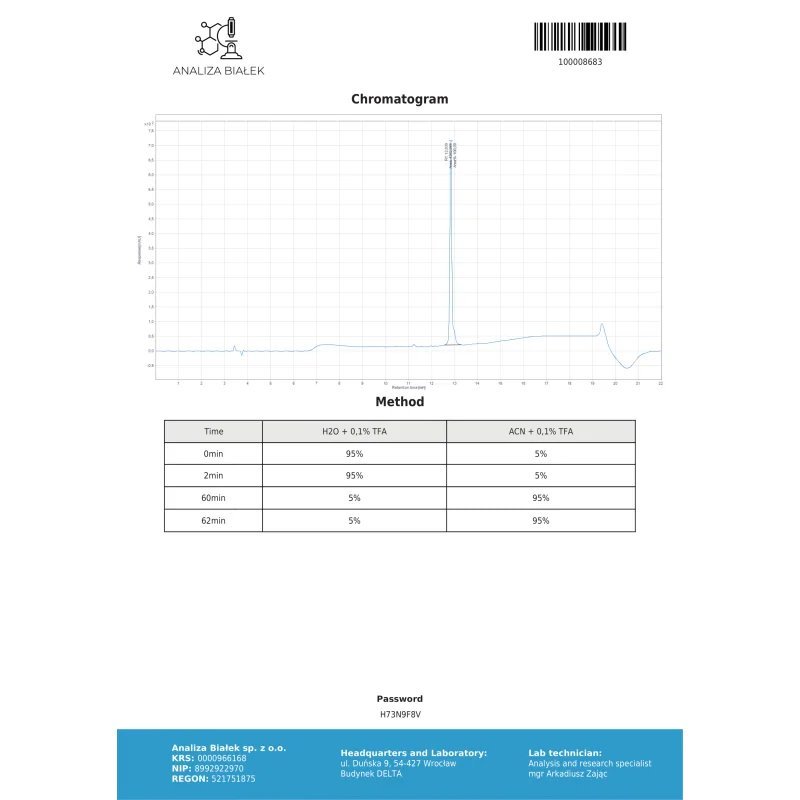
A certificate of analysis can be useful for research settings because it may provide batch-specific information regarding identity and analytical characteristics. Researchers should assess documentation according to the requirements of their individual projects.
Research Applications
The combination has generated interest because researchers may investigate multiple peptide compounds within experimental models. Research programmes can examine peptide chemistry, molecular interactions, biological pathways, stability, and other characteristics.
However, combining two research compounds does not establish that they produce a particular clinical effect together. Any conclusions regarding safety, efficacy, dosing, pharmacokinetics, or therapeutic value require appropriate scientific investigation.
Researchers should therefore rely on validated experimental protocols and relevant institutional procedures rather than online claims or anecdotal reports.
UK Regulatory Considerations
UK regulations can differ according to the substance, formulation, intended purpose, claims, and method of supply. A product marketed for laboratory research should be clearly distinguished from an authorised medicinal product.
Before acquiring or using peptide materials in Britain, researchers and organisations should determine which regulations apply to their specific circumstances. Importation, supply, laboratory use, advertising, and human administration may involve different requirements.
A responsible website should avoid implying that an experimental peptide combination is an approved treatment. It should also avoid suggesting that research materials are appropriate for self-administration.
Storage and Handling
Peptide materials should be stored according to the manufacturer’s technical specifications. Appropriate conditions may depend on whether the material is supplied as a powder, solution, or another formulation.
Environmental factors such as temperature, moisture, light exposure, and repeated handling can affect sensitive research materials. Maintaining the original packaging and batch documentation can assist with traceability and quality-control procedures.
Researchers should follow appropriate laboratory safety procedures and consult relevant technical documentation before handling the material.
Evaluating Product Quality
When evaluating peptide materials, buyers and researchers should look beyond marketing language. Useful documentation can include a certificate of analysis, batch number, stated purity, compound identification, quantity, manufacturing information, and storage instructions.
Transparent product descriptions are particularly valuable because online peptide terminology can be inconsistent. A professional listing should clearly distinguish between verified product specifications and claims that remain experimental or theoretical.
Independent analytical verification may also be appropriate for research programmes where material identity and purity are critical to experimental results.
Frequently Asked Questions
What does 5 mg + 5 mg mean?
It indicates a stated quantity of 5 mg for each compound, resulting in 10 mg of combined labelled material.
Are these peptides established medicines?
They should not be represented as established or authorised treatments simply because they have been investigated in laboratory or preclinical research.
Does the combination have proven healing benefits?
Preclinical research should not be interpreted as proof of a particular benefit in humans. Appropriate clinical evidence and regulatory approval are required before therapeutic claims can be made.
Can research peptides be self-administered?
Research-grade materials should not automatically be considered suitable for human administration. Individuals should consult an appropriately qualified healthcare professional regarding any medical treatment.
Final Overview
TB-500 + BPC-157 5 mg + 5 mg is a peptide research presentation containing a stated 5 mg quantity of each compound. Interest in these substances has largely developed through laboratory and preclinical investigation, making accurate descriptions especially important.
For UK visitors, a responsible product page should focus on verifiable specifications, documentation, storage information, research context, and applicable regulatory considerations. Avoiding unsupported medical promises helps distinguish scientific information from promotional claims.
Researchers should review supplier documentation carefully and ensure that acquisition and use comply with applicable UK requirements. Any decision involving human treatment should be made through appropriate healthcare and regulatory channels rather than relying on experimental peptide products marketed online.


