
GLP 5 mg: UK Research Information
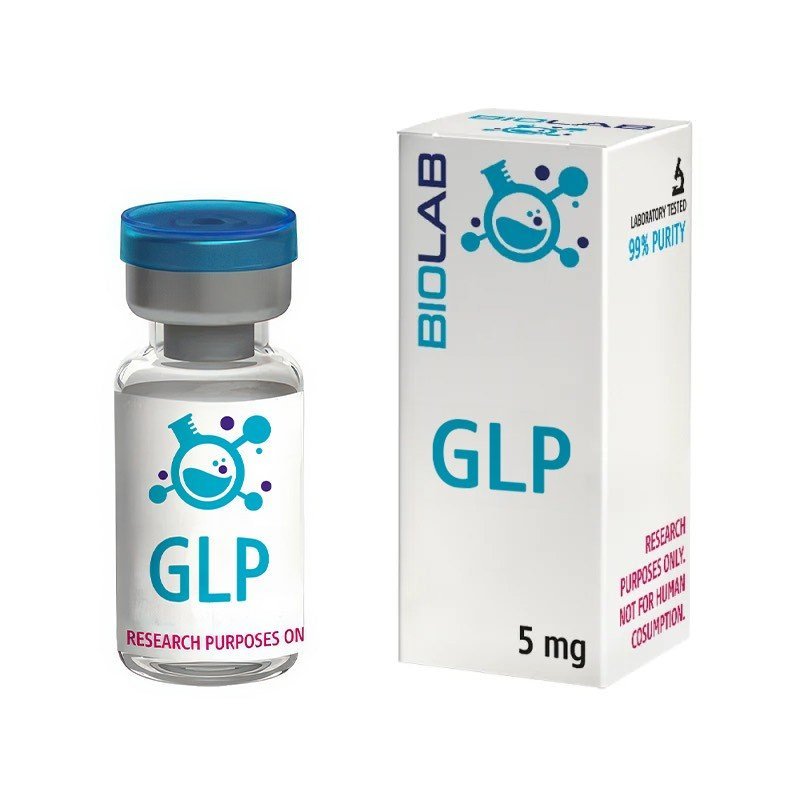
GLP is a term used in peptide and metabolic research, although its meaning can vary depending on the specific compound, sequence, formulation, or product designation. A 5 mg presentation identifies the stated quantity of material and may support laboratory research or analytical testing. For UK audiences, content should distinguish research materials from licensed medicines and avoid unsupported claims.
This guide provides general information about GLP 5 mg, including terminology, research context, specifications, documentation, storage, and UK regulatory awareness. It is intended for education and research, not medical advice or personal-use instructions.
Understanding GLP
The abbreviation GLP can refer to different concepts in scientific and pharmaceutical contexts. In peptide discussions, it may be part of a compound or product name, while in laboratory quality systems GLP commonly means Good Laboratory Practice. These meanings should not be confused.
A professional product page should identify the exact compound, chemical or peptide description, quantity, and intended research context. If a product uses GLP as a proprietary or abbreviated designation, researchers should consult the supplied specification and analytical documentation to establish exactly what material is being described.
What Does 5 mg Mean?
The 5 mg specification refers to the stated quantity of material in the relevant presentation. Researchers should verify the declared amount using the label, specification sheet, and batch documentation.
Accurate quantity and identity information are important for reproducible laboratory work. Relevant details may include the compound name, batch number, reported purity, analytical results, storage conditions, and manufacturing information. Website content should correspond with the documentation for the particular batch rather than generic descriptions.
Research Considerations
Depending on the exact compound represented by the GLP designation, researchers may investigate peptide chemistry, molecular interactions, formulation properties, stability, or biological mechanisms. Research questions should be defined before selecting analytical methods or materials.
Published scientific literature can provide useful background, but individual studies should be evaluated for methodology, model, controls, and limitations. Preclinical observations cannot automatically be interpreted as evidence of safety or effectiveness in humans.
A research-focused website should describe scientific context objectively and avoid guaranteed outcomes.
Quality and Documentation
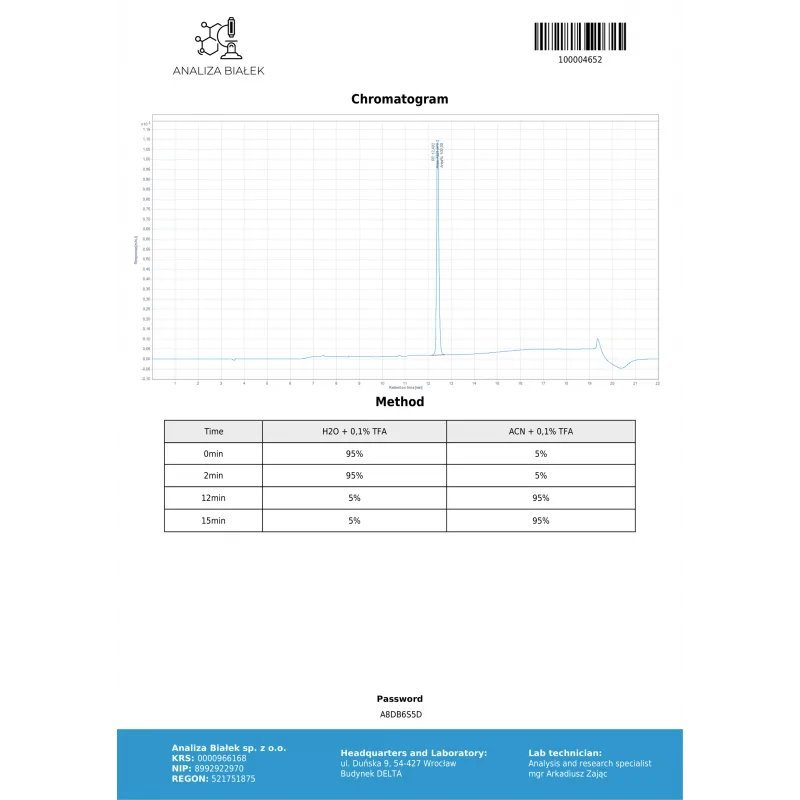
Quality documentation is an important consideration when evaluating research materials. A certificate of analysis, when available, may provide batch-specific information concerning identity, reported purity, analytical testing, and specifications.
Additional documentation may include manufacturing information, safety information, packaging details, and storage recommendations. Researchers should check that the batch number on the material corresponds with the documentation supplied.
Depending on the material, analytical characterisation may involve techniques such as high-performance liquid chromatography and mass spectrometry. Independent testing can provide additional verification where required.
Storage and Handling
Research compounds should be stored according to the instructions supplied for the specific material. Temperature, humidity, light, air, and container integrity can influence material stability.
Storage requirements vary between compounds and formulations. Researchers should not assume that instructions for one peptide apply to another. Laboratory personnel should follow institutional procedures and consult technical documentation before handling, storing, or analysing experimental materials.
UK Regulatory Context
The regulatory position of a peptide product in the United Kingdom can depend on its composition, intended purpose, presentation, claims, and distribution. Scientific publications alone do not establish that an experimental compound is authorised as a medicine.
UK-facing websites should use precise terminology and avoid unsupported claims that a research compound treats disease, guarantees weight loss, improves health, or produces specific therapeutic results. Claims about medicinal or cosmetic use should be supported by appropriate evidence and comply with applicable requirements.
Businesses should independently verify current UK requirements before distribution or publication of health-related claims.
Choosing Research Material
When evaluating GLP 5 mg, researchers can consider clear labelling, batch traceability, analytical documentation, appropriate packaging, storage guidance, and transparent specifications.
A professional product page should distinguish verified product information from broader scientific discussion. Clear documentation can support laboratory record keeping and help researchers assess whether a material is appropriate for a defined experimental purpose.
For SEO, related terminology can be incorporated naturally, including peptide research, laboratory analysis, research material, analytical testing, peptide chemistry, batch documentation, formulation research, and UK research information. Semantic relevance is preferable to excessive repetition.
Frequently Asked Questions
What does the 5 mg quantity indicate?
It identifies the stated amount of material in the specified presentation. Researchers should verify the quantity against the label and supporting documentation.
Does GLP always refer to one specific peptide?
No. The abbreviation can have different meanings. The exact product identity should be confirmed through its complete name and technical documentation.
Is a research compound automatically a medicine?
No. Research status and medicinal authorisation are separate matters. Current UK regulatory information should be checked before making claims about approval.
Why is batch documentation important?
It can support traceability and provide information about identity, testing, reported purity, and specifications for a particular material.
Final Overview
GLP 5 mg should be presented through clear, factual information that identifies the exact material and explains its research context, stated quantity, analytical considerations, documentation, storage, and UK regulatory environment. Because the abbreviation can have multiple meanings, precise product identification is especially important.
For UK audiences, strong SEO content should combine useful scientific terminology with accurate specifications and responsible wording. Clear headings, semantic keywords, transparent documentation, and careful distinction between research and authorised medical use can create a credible resource for UK readers.