

BPC-157 10 mg: UK Research and Product Information
BPC-157 is a synthetic peptide that has attracted attention in preclinical scientific research. Investigations have examined its characteristics in experimental models involving cellular processes, gastrointestinal biology, vascular responses, and tissue-related mechanisms. A 10 mg presentation refers to the stated quantity of peptide supplied in the particular product.
For UK audiences, accurate information is especially important because experimental peptide research should be distinguished from licensed medical treatment. BPC-157 is frequently discussed online in connection with recovery, injuries, inflammation, and other health-related subjects. However, preclinical findings should not be presented as established clinical benefits or guarantees of safety and effectiveness in humans.
What Is BPC-157?
BPC-157 is a synthetic peptide consisting of 15 amino acids. Scientific interest in this compound has developed primarily through laboratory and animal research rather than established clinical use.
Researchers have investigated several biological pathways and experimental models. Areas of interest have included gastrointestinal processes, cellular signalling, vascular responses, and tissue biology. These studies may contribute to a better understanding of peptide behaviour and provide information for future scientific investigation.
It is important to recognise that laboratory results do not automatically translate into human outcomes. Appropriate clinical research is necessary to establish questions such as pharmacokinetics, safety, efficacy, dosage, administration methods, and potential long-term effects.
10 mg Product Presentation
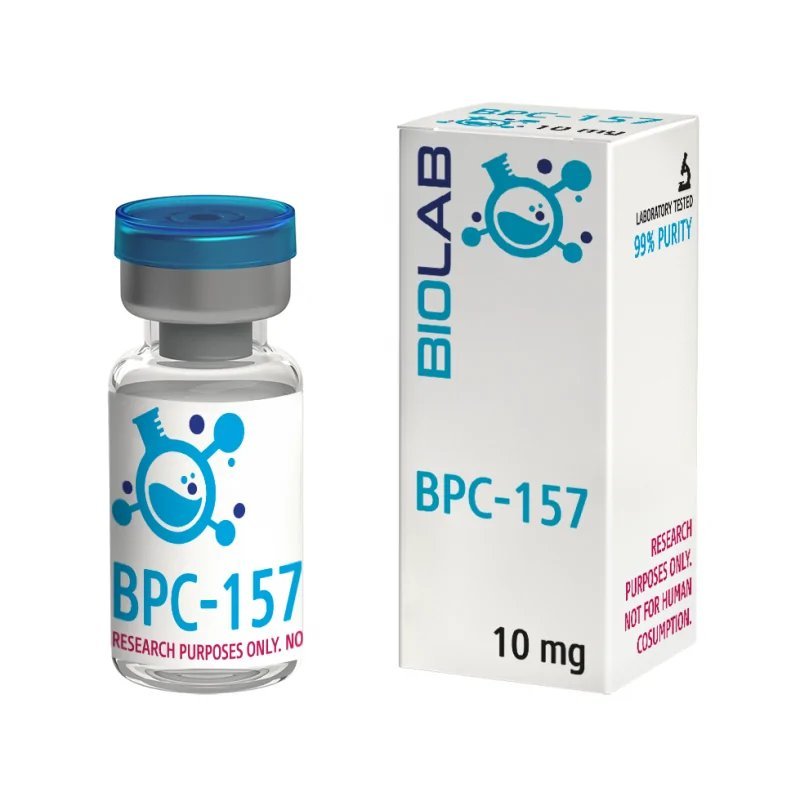
The stated presentation contains 10 mg of BPC-157 material. This figure describes the labelled quantity supplied and should not be interpreted as a recommended human dose.
A professional product page should clearly identify the compound, quantity, formulation, intended research use, and available technical documentation. Where applicable, information such as batch identification, purity specifications, manufacturing details, and certificate of analysis documentation can help researchers evaluate a particular material.
Product-specific documentation should always take priority over general information published online because peptide characteristics can vary between suppliers and batches.
Research Applications
BPC-157 has been examined in preclinical research exploring different biological mechanisms. Researchers may investigate cellular responses, gastrointestinal models, vascular processes, and other experimental pathways.
Preclinical research can be valuable for developing scientific hypotheses and understanding how compounds behave under controlled conditions. Nevertheless, evidence from animal or laboratory models cannot independently establish that a substance is an effective treatment for people.
For this reason, responsible SEO content should distinguish clearly between experimental findings and clinically established evidence. Claims concerning injury treatment, accelerated healing, inflammation reduction, or disease management require appropriate evidence and regulatory support.
Research-Grade Material
Research-grade peptide materials are intended for controlled scientific investigation according to the supplier’s stated purpose. Researchers may assess characteristics such as identity, purity, concentration, stability, solubility, and physical properties depending on the objectives of their project.
A certificate of analysis may provide useful batch-specific information. Maintaining these records can support laboratory traceability and quality-control procedures.
Research teams should also use validated protocols and follow applicable institutional requirements. Online testimonials or anecdotal reports should not replace peer-reviewed research or established laboratory procedures.
Storage and Handling
Peptide materials should be stored according to the manufacturer’s instructions. Environmental factors such as temperature, humidity, light, and repeated exposure to unsuitable conditions may influence the stability of sensitive compounds.
The original packaging, batch information, and technical documentation should be retained whenever practical. Proper records can make it easier to identify individual batches and maintain consistent laboratory procedures.
Research-grade material should be handled using appropriate laboratory safety practices. It should not automatically be considered suitable for ingestion, injection, or personal administration.
UK Regulatory Considerations
UK requirements can vary depending on the substance, formulation, intended purpose, advertising claims, and method of supply. A research material should not be presented as a licensed medicine unless it has the appropriate regulatory status.
Websites targeting UK visitors should use accurate terminology and avoid implying that experimental peptides are authorised treatments for medical conditions. Particular care should be taken with claims relating to injury recovery, disease treatment, prevention, or guaranteed physiological effects.
Anyone seeking treatment for a health condition should speak with an appropriately qualified healthcare professional. Experimental research materials should not be presented as substitutes for licensed medicines or professional medical care.
Evaluating Product Quality
When researching peptide suppliers, transparency is an important consideration. Useful product information may include compound identification, stated quantity, batch number, purity data, analytical documentation, storage requirements, and intended-use information.
Clear specifications allow researchers to compare different materials more effectively. Where experimental accuracy is critical, independent analytical testing may also be appropriate.
A credible UK-facing website should prioritise factual information over exaggerated promotional statements. This improves transparency while helping visitors understand the difference between scientific research and unsupported claims.
Frequently Asked Questions
What does 10 mg represent?
It refers to the stated quantity of BPC-157 contained in the product presentation. It is not a recommended dosage.
Why is BPC-157 researched?
The compound has been investigated in preclinical models involving various biological processes, including gastrointestinal, cellular, vascular, and tissue-related research.
Does research prove that it treats injuries?
No. Laboratory and animal findings should not be interpreted as proof of an established treatment for injuries or other medical conditions.
Is research-grade material intended for human use?
Research-grade material should not automatically be considered suitable for human administration. Individuals seeking treatment should obtain advice from a qualified healthcare professional.
Final Overview
BPC-157 10 mg is a defined peptide research presentation associated with ongoing preclinical scientific interest. Researchers have examined various biological mechanisms, but experimental findings should not be confused with proven human therapeutic outcomes.
For UK visitors, high-quality product content should provide clear information about composition, quantity, intended use, technical documentation, storage requirements, and relevant regulatory considerations. Transparent descriptions are more useful than unsupported claims concerning healing, recovery, performance, or disease treatment.
Before acquiring or handling research peptide materials, users should review the supplier’s documentation and determine which UK requirements apply to their specific circumstances. Appropriate laboratory procedures should be followed, and experimental compounds should not be treated as alternatives to licensed medicines or professional healthcare.
This approach provides a clear, search-friendly resource for UK audiences while maintaining a distinction between scientific research, product specifications, and established medical evidence.