TB-500 10 mg: UK Research and Product Information
TB-500 is a peptide-related research compound that has attracted interest in laboratory and preclinical studies. It is commonly discussed in connection with thymosin beta-4 research and investigations into cellular processes, tissue responses, and biological signalling. A 10 mg presentation refers to the stated quantity of material supplied.
For UK audiences, peptide information should clearly distinguish experimental research from approved medical treatment. Although TB-500 is frequently discussed online in relation to recovery and physical performance, these claims should not be presented as established clinical benefits without appropriate human evidence and regulatory approval.
What Is TB-500?
TB-500 is commonly described as a synthetic peptide associated with research surrounding thymosin beta-4. Researchers have investigated thymosin beta-4 in several biological contexts, including cellular migration, angiogenesis, inflammation-related pathways, and tissue responses.
Much of the available interest comes from laboratory and animal research. Preclinical findings can provide useful information about biological mechanisms, but they do not automatically demonstrate safety or effectiveness in humans.
Consequently, responsible product content should avoid presenting TB-500 as a proven treatment for injuries, muscle damage, inflammation, or other medical conditions.
10 mg Product Presentation
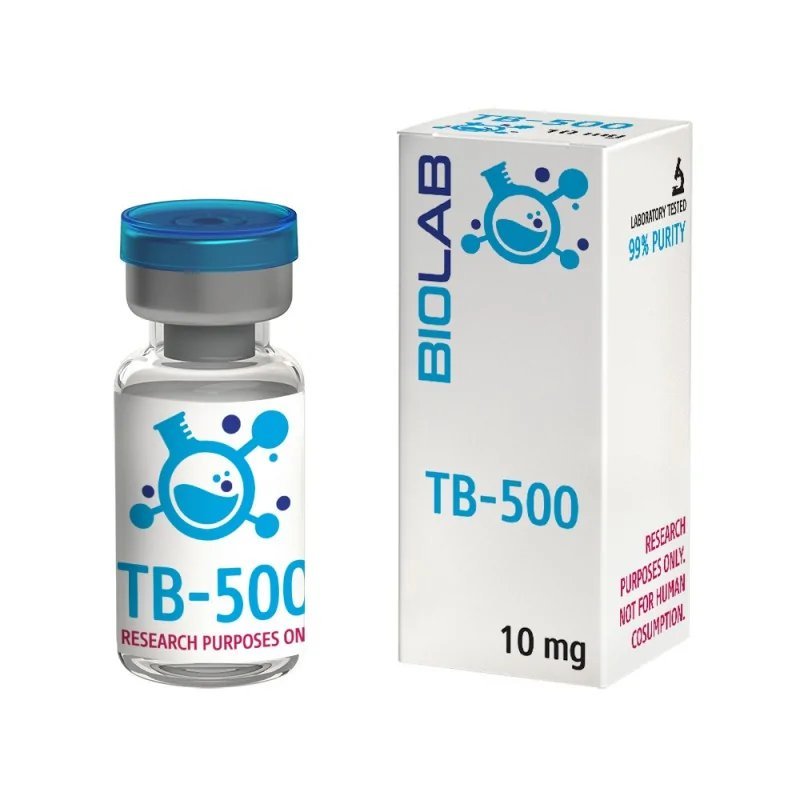
The stated product contains 10 mg of TB-500 research material. The quantity represents the amount supplied and should not be interpreted as a recommended dosage.
A transparent product description can include information such as the stated compound name, quantity, physical presentation, batch identification, purity specifications, certificate of analysis availability, and storage recommendations.
Researchers should review the documentation supplied with the specific batch because characteristics such as purity, stability, and composition can vary between manufacturers and production lots.
Research Interest
Scientific interest in thymosin beta-4-related compounds includes investigations into cellular behaviour and tissue biology. Experimental studies have examined mechanisms involving cell migration and other processes that may be relevant to regenerative biology.
However, research findings should be interpreted carefully. Evidence from laboratory models cannot establish that a research peptide produces the same effects in humans. Questions surrounding appropriate administration, pharmacokinetics, long-term safety, and clinical efficacy require rigorous human research.
This distinction is particularly important when evaluating information published by commercial peptide websites.
Research-Grade Materials
Research-grade materials are generally intended for controlled laboratory investigation rather than routine human use. Researchers may evaluate identity, purity, stability, solubility, and other characteristics depending on the purpose of an experiment.
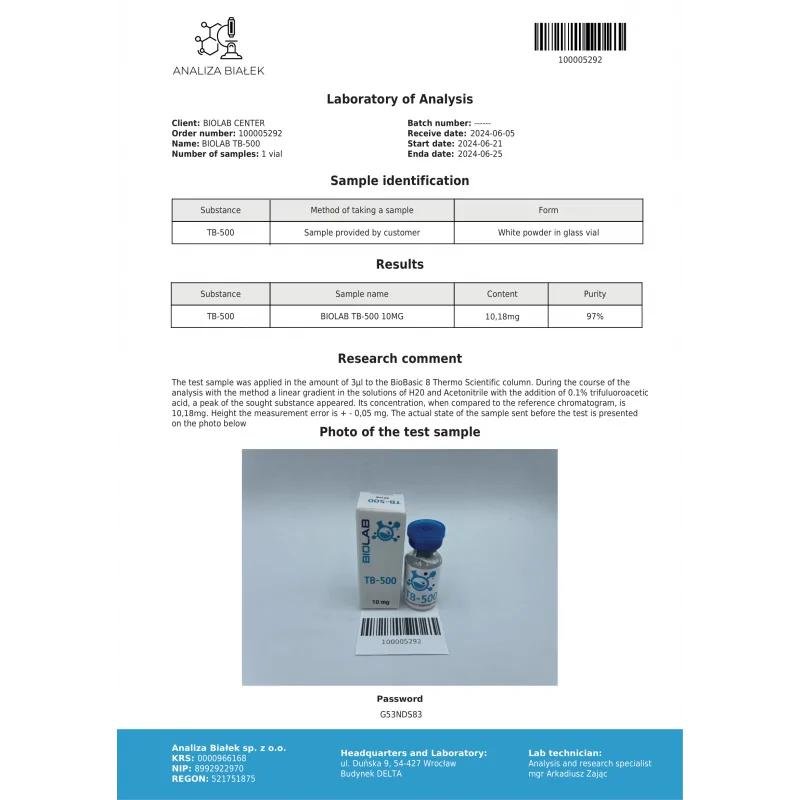
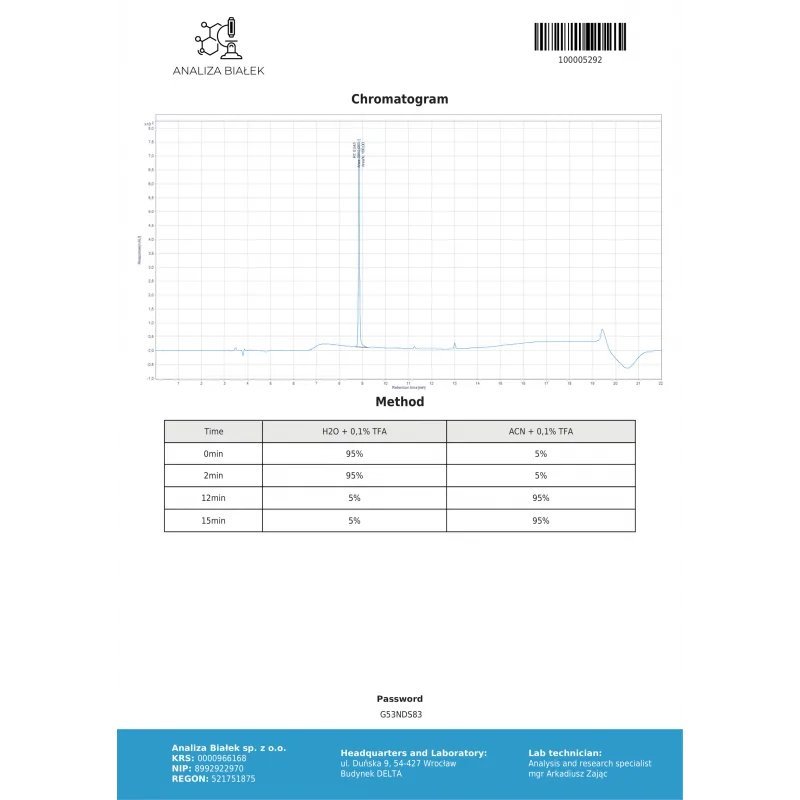
A certificate of analysis can provide useful batch-specific information. Where available, analytical documentation should be reviewed alongside the supplier’s technical specifications.
Research organisations may also have internal requirements for material verification, documentation, storage, handling, and disposal. Following established laboratory procedures can help maintain consistency and traceability throughout an experimental programme.
Storage and Handling
Storage conditions depend on the specific formulation and manufacturer’s instructions. Peptide materials can be sensitive to environmental factors, including temperature, moisture, light, and repeated exposure to unsuitable conditions.
The original packaging and documentation should be retained whenever practical. Batch numbers and expiry information can support traceability and quality-control records.
Before handling any research material, users should consult the relevant technical documentation and follow appropriate laboratory safety procedures. Research materials should not automatically be assumed to be suitable for injection, ingestion, or other forms of human administration.
UK Regulatory Considerations
UK requirements can vary according to a substance’s classification, formulation, intended use, method of supply, and claims made about it. A research material should not be marketed in a way that implies it is an authorised medicinal product when it does not have that status.
Businesses targeting UK customers should therefore ensure that product descriptions, advertising, labelling, and supply arrangements comply with applicable legislation. Regulatory requirements may also differ between research chemicals, cosmetic ingredients, medicines, and other product categories.
Anyone considering the use of experimental peptide materials for human treatment should seek advice from an appropriately qualified healthcare professional rather than relying on online product claims.
Choosing a Responsible Supplier
When evaluating peptide suppliers, researchers should look for clear documentation and transparent product information. Useful details can include compound identification, stated quantity, batch information, analytical testing, purity specifications, storage instructions, and intended-use statements.
Avoiding exaggerated promises is another important consideration. Claims about guaranteed injury recovery, muscle growth, anti-inflammatory effects, or performance enhancement can create misleading expectations when adequate clinical evidence is unavailable.
A professional UK-facing product page should instead provide factual information that helps researchers understand the material and evaluate whether it is appropriate for their legitimate project.
Frequently Asked Questions
What does 10 mg mean?
It indicates the stated quantity of material in the presentation. It is not a recommended human dose.
Is TB-500 an approved medicine?
Research status and medicinal approval are separate concepts. Experimental research should not be presented as proof of an authorised medical treatment.
What is the connection with thymosin beta-4?
TB-500 is commonly discussed as a peptide related to thymosin beta-4 research, although product identity and composition should always be verified through appropriate documentation.
Can research peptides be used for personal treatment?
Research-grade materials should not automatically be considered suitable for human administration. Medical decisions should be discussed with a qualified healthcare professional.
Final Overview
TB-500 10 mg is a defined research-peptide presentation associated with scientific interest in thymosin beta-4-related biology. Laboratory and preclinical research has generated interest in its potential biological mechanisms, but experimental findings should not be confused with established human medical benefits.
For UK researchers, accurate product information should focus on verified specifications, analytical documentation, storage requirements, intended use, and relevant regulatory considerations. A transparent approach is more useful than unsupported therapeutic or performance claims.
Before acquiring or handling any research peptide, users should review the supplier’s documentation and ensure that their intended activity complies with applicable UK requirements. Experimental materials should be handled responsibly and should not be represented as substitutes for licensed medical treatment.