TP508 Thrombin Peptide 5 mg: Research-Grade Information for UK Researchers
TP508 is a synthetic peptide associated with research into thrombin signalling, cellular communication, tissue biology, and regenerative processes. Also known as thrombin peptide 508 or Chrysalin, it is a 23-amino-acid sequence derived from a receptor-binding region of human thrombin. Scientific literature has investigated its biological activity in cell and animal models, making it an interesting compound for controlled laboratory research.
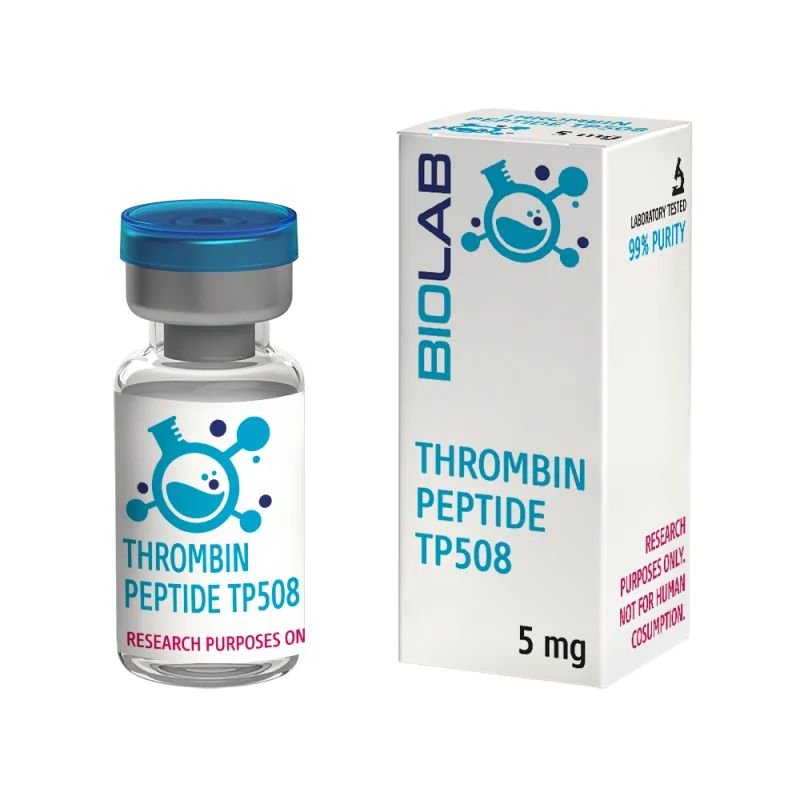
This 5 mg presentation is intended for qualified researchers who require a clearly identified peptide for experimental work. It should be treated as a research material rather than a medicine, dietary supplement, or product for self-administration. In the UK, product descriptions and marketing claims can affect whether a substance is considered medicinal. The Medicines and Healthcare products Regulatory Agency (MHRA) advises businesses to consider intended purpose, presentation, pharmacological properties, and promotional claims when determining regulatory status. (GOV.UK)
What Is TP508?
TP508 is a synthetic fragment designed to represent part of thrombin’s receptor-binding domain without reproducing the complete proteolytic activity of the parent protein. Published research describes the compound as a 23-amino-acid peptide and has examined its interaction with cellular signalling pathways. Studies have reported effects involving cytokine release and intracellular signalling, providing a basis for further laboratory investigation. (ScienceDirect)
Researchers have also explored the compound in models related to bone biology, vascular responses, wound-related processes, and cellular behaviour. A systematic review of peptide research describes investigations into osteoblast activity, angiogenesis, and bone-healing models. These findings are experimental and should not be interpreted as evidence that the material is an established treatment for people. (PubMed Central (PMC))
Research Applications
The primary value of TP508 for laboratory work lies in its potential usefulness as a tool for studying thrombin-related signalling. Researchers may investigate receptor interactions, cellular responses, gene-expression pathways, inflammatory signalling, angiogenic mechanisms, or tissue-associated biological processes under controlled experimental conditions.
Previous studies have examined the peptide in cultured cells and animal models. For example, published work has explored cytokine responses and signalling proteins following exposure to the compound, while other investigations have evaluated biological responses associated with bone and vascular research. (ScienceDirect)
Because experimental outcomes depend on model design, concentration, exposure conditions, controls, and analytical methods, published findings should be considered starting points for research rather than instructions for human use. Researchers should review primary literature and establish appropriate laboratory protocols before beginning an experiment.
5 mg Research Presentation
A 5 mg format can provide a convenient quantity for laboratory projects where accurately documented peptide material is required. Researchers should also confirm that the material matches their laboratory’s analytical, storage, and traceability requirements before use.
Quality and Documentation
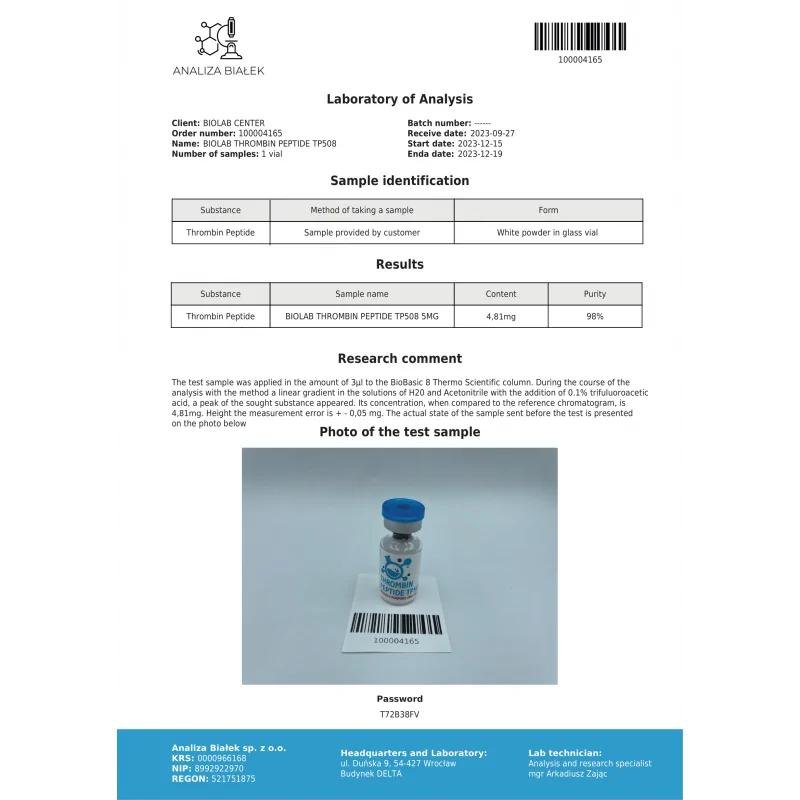
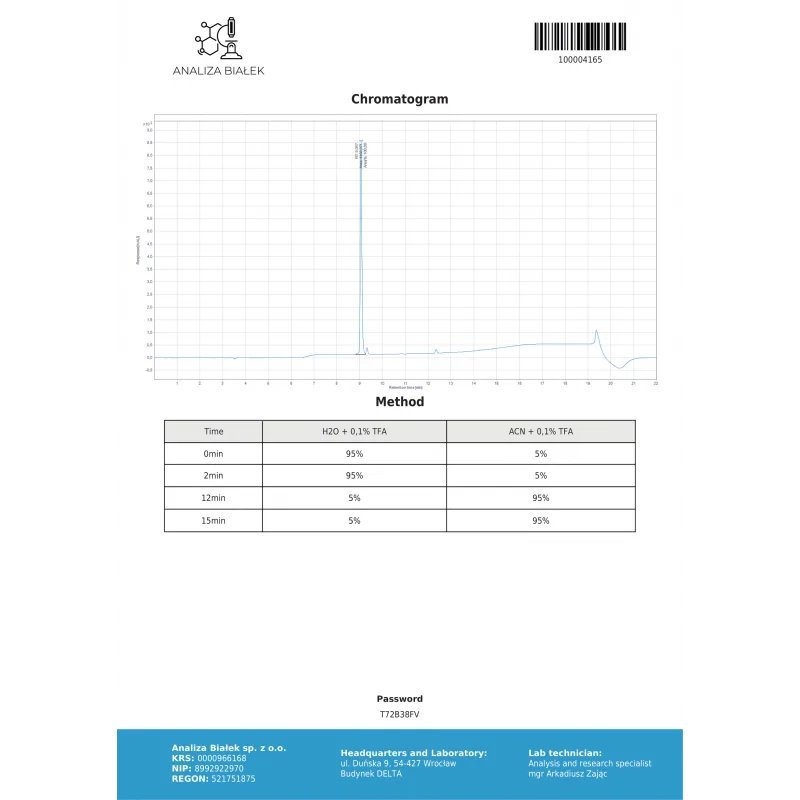
When selecting experimental peptide materials, researchers should look beyond the product title. Documentation such as a certificate of analysis, batch number, stated purity, analytical method, and storage information can help laboratories assess whether a material is suitable for a particular project. Independent verification may also be appropriate when research requirements demand additional analytical confidence.
The MHRA provides an online service for checking information about authorised medicines, including product characteristics, patient information leaflets, and assessment reports. Researchers and businesses can use official regulatory resources when assessing whether a product has a UK marketing authorisation. (GOV.UK)
UK Research Considerations
For UK-facing websites, accurate wording is especially important. The MHRA considers both explicit and implied claims when determining whether a product falls within the definition of a medicinal product. Website copy, labels, advertisements, social media posts, and descriptions can all form part of that assessment. (GOV.UK)
For this reason, responsible product content should avoid claims that a research peptide can diagnose, prevent, treat, or cure a medical condition. It should also avoid presenting experimental findings as guaranteed outcomes. A clear research-use description is more appropriate when a product has not been authorised as a medicine.
Why Choose a Clearly Presented Research Peptide?
Researchers benefit from product pages that make essential information easy to locate. A useful listing should clearly identify the compound, quantity, intended research context, documentation, and handling information without making unsupported therapeutic promises. This approach helps laboratories compare materials and determine whether a particular item fits their experimental requirements.
TP508 has attracted scientific interest because of its relationship to thrombin-associated cellular signalling and its investigation across several areas of experimental biology. The available literature includes laboratory and preclinical studies, but experimental evidence should not be confused with regulatory approval or established clinical efficacy. (ScienceDirect)
Conclusion
TP508 thrombin peptide 5 mg is best presented as a research-focused synthetic peptide for qualified laboratory investigation. Its published research history includes studies of cellular signalling, cytokine responses, vascular biology, and bone-related models. However, these findings remain part of the scientific research landscape and do not establish the product as a UK-approved medicine. (ScienceDirect)
I