Buy KPV 150 mcg, 60 Caps – Research Peptide Capsules
KPV is a small tripeptide consisting of lysine, proline, and valine. It is associated with research into alpha-melanocyte-stimulating hormone (α-MSH), peptide signalling, cellular pathways, and molecular biology. Scientific studies have examined KPV in several experimental models, making it a subject of interest for researchers investigating peptide structure, cellular communication, and biological responses.
The KPV 150 mcg, 60 caps presentation is intended for research-oriented applications where a defined capsule format is useful for laboratory investigation and analytical work. It should not be presented as an approved medicine, dietary supplement, or treatment for any human or veterinary condition.
What Is KPV?
KPV, also known as Lys-Pro-Val, is a three-amino-acid peptide corresponding to the C-terminal sequence of α-MSH. Its relatively simple molecular structure makes it useful for investigating relationships between peptide composition and biological activity.
Research has examined KPV in cell-based and animal models, including studies investigating signalling pathways involving NF-κB, MAP kinase activity, peptide transport, and inflammatory responses. For example, published experimental work has investigated PepT1-mediated uptake of KPV in intestinal epithelial and immune cells.
These findings provide a scientific basis for further investigation but should not be interpreted as proof of clinical efficacy. Results from laboratory or animal studies cannot automatically be applied to humans.
Research Applications
The compact structure of KPV makes it relevant to several areas of peptide and molecular research. Depending on the experimental design, researchers may investigate its chemical characteristics, stability, cellular interactions, and relationship with specific signalling pathways.
Potential research areas include:
- Peptide chemistry
- Molecular biology
- Cellular signalling
- Structure-function studies
- Melanocortin-related research
- Peptide transport investigations
- Cell culture research
- Inflammation pathway studies
- Analytical peptide research
- Experimental pharmacology
These areas describe potential scientific applications rather than established medical uses. Researchers should evaluate the relevant literature and consider the experimental model, methodology, concentration, formulation, and controls used in individual studies.
KPV 150 mcg, 60 Caps Format
The 150 mcg capsule presentation provides a defined quantity in a convenient research format. Laboratories and qualified researchers should review the specific product documentation before determining whether this presentation is appropriate for their intended research.
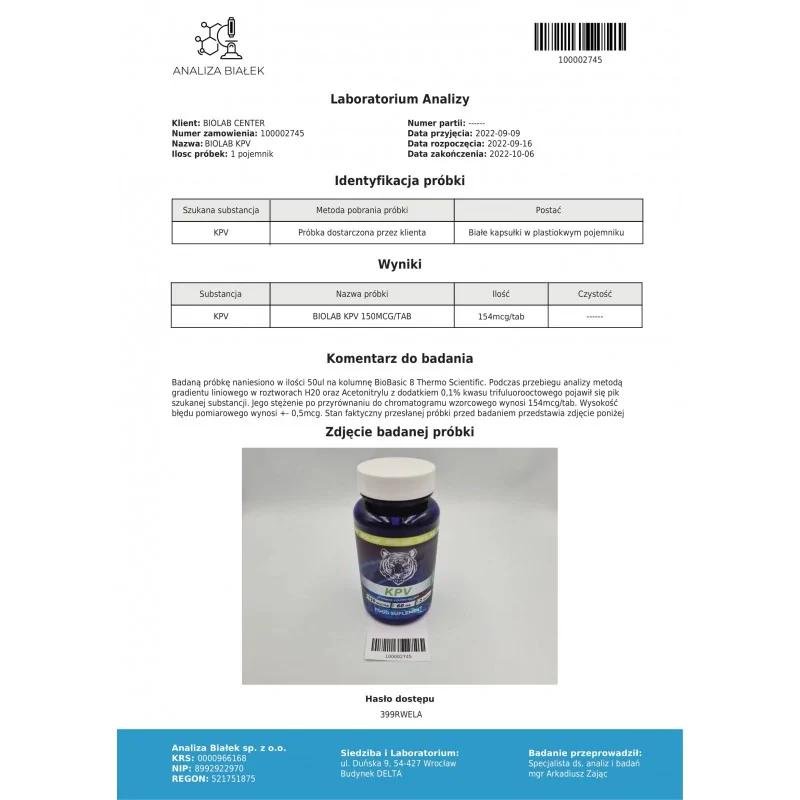
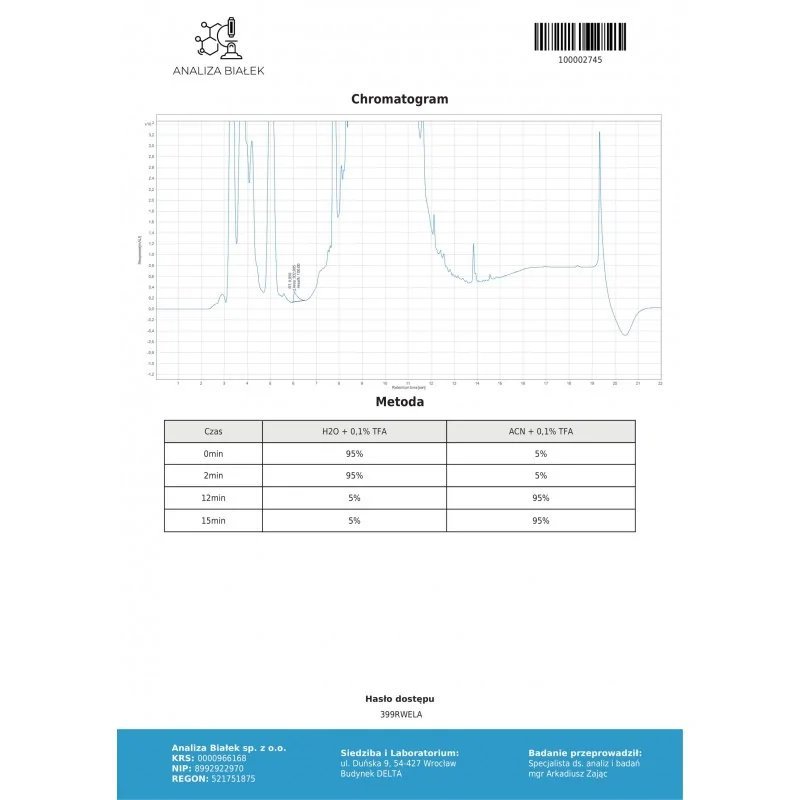
When evaluating peptide materials, researchers should consider identity, purity, batch information, formulation, packaging, storage requirements, and analytical documentation. Where available, batch-specific testing can provide useful information about the material being evaluated.
Accurate record keeping can also support reproducibility. Researchers may wish to record batch identifiers and relevant analytical information alongside experimental observations where appropriate.
The capsule format should not be confused with evidence of oral clinical effectiveness. Formulation, stability, absorption, and biological availability can vary considerably between experimental preparations, and these factors require independent scientific evaluation.
Why Researchers Study KPV
Short peptides can provide valuable models for investigating how specific amino-acid sequences interact with biological systems. Studying a small peptide separately from a larger precursor molecule may help researchers examine structure-function relationships and cellular mechanisms.
KPV has received scientific attention because experimental research has explored its interaction with cellular transport systems and signalling pathways. A PubMed-indexed study reported that KPV could be transported by the PepT1 transporter and investigated its effects in intestinal epithelial and immune-cell models. (PubMed)
Other research has focused on analytical methods for measuring KPV, including validated HPLC approaches for examining its stability in aqueous solutions and biological material. (PubMed)
More recent research continues to investigate the biological characteristics of this tripeptide, including laboratory work examining metabolic signalling. Such findings demonstrate ongoing scientific interest but do not establish the product as a clinically approved therapy. (PubMed)
Quality Considerations for UK Researchers
UK researchers sourcing experimental peptide products should prioritise transparent product information and clear research-use descriptions. Product pages should distinguish scientific information from claims about medical outcomes.
Important considerations may include peptide identity, purity, batch traceability, manufacturing information, packaging, storage instructions, and available analytical testing. Researchers should review documentation relating to the actual batch rather than relying exclusively on generic information.
Regulatory compliance is equally important for UK websites. The MHRA states that medicines that are not licensed cannot be advertised as medicines, while promotional material on company websites can fall within medicine advertising requirements. (GOV.UK)
For that reason, research products should be described accurately and should not be promoted with unsupported claims regarding disease prevention, treatment, or guaranteed biological effects.
Laboratory Research and Storage
Researchers should follow the supplier’s storage recommendations and their institution’s laboratory procedures. Environmental factors such as temperature, moisture, light, and handling conditions can affect peptide stability depending on the formulation.
Research materials should be handled by appropriately trained personnel in suitable facilities. Laboratories should use appropriate safety procedures and protective equipment consistent with their institutional requirements.
Choosing a Research Supplier
When comparing research peptide suppliers, consider transparent specifications, batch identification, analytical documentation, packaging quality, storage information, and clearly stated research-use restrictions.
A responsible supplier should distinguish established scientific evidence from preliminary observations. Clear product information can help researchers evaluate whether a particular format and quantity are appropriate for their intended research.
Order for Laboratory Research
For qualified laboratories investigating peptide chemistry, molecular biology, cellular signalling, and structure-function relationships, the 150 mcg capsule format provides a defined research presentation.
Before ordering, researchers should review all available product specifications and determine whether the material is appropriate for their project. All research should be performed according to established scientific methods, institutional policies, applicable UK requirements, and appropriate laboratory safety standards.
Important Research Disclaimer
This product is supplied strictly for research and laboratory use. It is not intended for human or veterinary consumption, self-administration, diagnosis, prevention, or treatment of any disease or medical condition. KPV remains an experimental research subject, and laboratory or preclinical findings should not be interpreted as proof of clinical safety or therapeutic effectiveness.
Researchers are responsible for ensuring that purchasing, storage, handling, and experimental use comply with applicable UK laws, institutional requirements, safety procedures, and ethical standards. The information provided on this page is intended for scientific and educational purposes only and should not be considered medical advice.